Trust Guard Security Scanned
hours left for
same day shipping

hours left for
same day shipping

Loading...

Drip Irrigation Filters: Which Is Best for Me?

The absolute secret to preventing drip emitter clogging lies in choosing the right drip irrigation filter. Without proper water filtration, the microscopic pathways that make up a drip system can quickly become blocked by sediment, algae, or mineral buildup, causing annoying and often costly damages to your system.

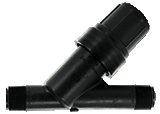
  • Polyester Drip Filters: Best for mall drip zones and garden/landscape lists, relatively clean municipal water, and situations requiring low cost and easy replacement or cleaning
  • Stainless Steel Drip Filters: Best for high-pressure systems, harsh outdoor environments, fertilizer injection compatibility, or water with moderate grit where frequent cleaning is expected
  • Disc Filters: Best for surface water, ponds & canals, or water with algae/organic load, as well orchards, vineyards, and larger drip systems needing better handling of organics than simple screens
  • Screen Filters: Best for clean well water or municipal water with mainly inorganic particles (sand/silt) and low organic content. It’s also perfect if you prefer quick cleaning.
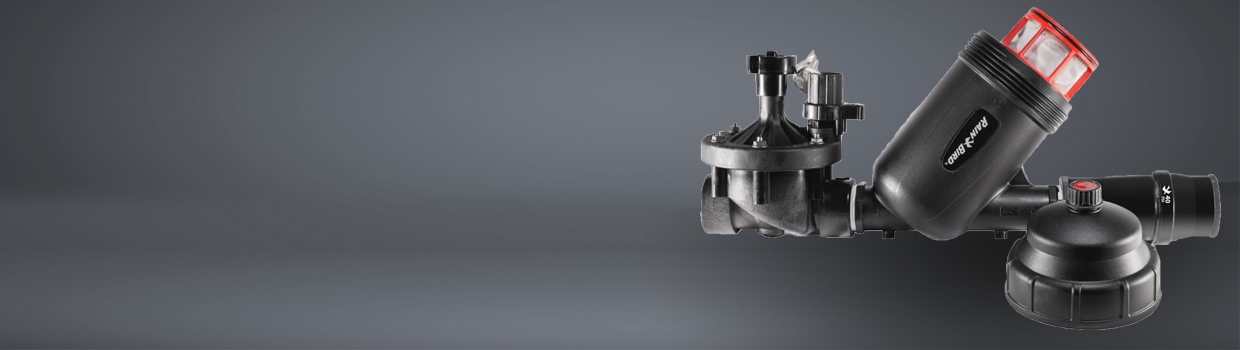
  • Pressure Regulating Filters: Best for residential and light commercial zones with mixed-elevation landscapes, or dripline that requires stable operating pressure
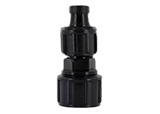
  • Hose-End Filters: Best for backyard drip kits, container gardens, temporary/seasonal setups, and any system fed from a garden hose where a quick, tool-free install is needed.

                 FAQs on Drip Irrigation Filters                  

What micron rating (or mesh) should I use?

Match the filter to the emitter manufacturer’s recommendation. Common targets are 120 mesh (~130 micron) for many drip systems and 150–200 mesh (~100–75 micron) for more clog-sensitive emitters.

How do I size a drip filter?

Choose a filter with a flow rating at least equal to (and ideally above) your zone’s maximum flow rate, while staying within acceptable pressure loss. Undersized filters clog faster and create large pressure drops.

Do I need a pressure regulator in addition to a filter?

Often, yes. Many drip products need 10–30 psi regulated pressure; a pressure-regulating filter can do both in one unit for small systems.