Trust Guard Security Scanned
hours left for
same day shipping

hours left for
same day shipping

Loading...

How to Install a Saddle Tee

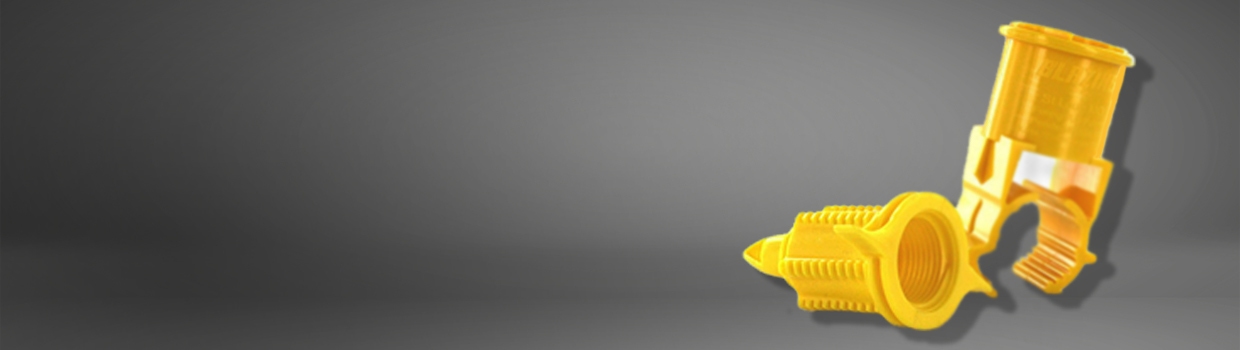
Attaching a saddle tee to your irrigation is a quick and easy process. If the pipe is already in use, start by turning off the water. Next, choose a flat section of the poly pipe where you’re going to install the new fitting. Most clamp-style saddles and bolt-on saddles will then require you to drill a hole for your new saddle tee. However, one popular product, the Self-Tapping Saddle Tee, will create its own hole. Once the tee is locked in, it’s time to attach the outlet connection. Connect your pipe, sprinkler riser, or drip tubing to the saddle tee outlet, then slowly turn the water back on to check for leaks.

Saddle Tees vs. Barbed Tees

Saddle tees and barbed insert tees both have their place in an irrigation system, but each has some benefit over the other. Saddle tees are quicker and easier to install since they clamp onto the pipe without cutting it, making them ideal for fast additions or modifications. Barbed or insert tees require cutting the pipe and securing connections with clamps. While they take more effort to install, they provide a more secure, leak-resistant connection over time. For quick modifications, saddle tees are convenient. For long-term connections, barbed tees may be the better choice.

Poly Saddle Tee FAQs

What does it mean to saddle a pipe?

“Saddling a pipe” refers to the process of attaching a saddle fitting or saddle tee to an existing pipe to create a new branching connection. This process is completed without cutting or removing any sections of the pipe.

What size saddle tee do I need?

The size of the saddle tee you need depends on the outer diameter (OD) of your poly pipe and the size of the branch connection you want to create. Common poly pipe sizes include 1/2, 3/4, 1, 1 1/4, 1 1/2, and 2 inch. Some poly pipes have slightly different ODs, so check the manufacturing specs to be sure.

Are poly saddle tees leak-proof?

Most poly saddle tees are intended to be leak-proof, but the seal depends on the installation and the quality of the fitting. These fittings use rubber gaskets or O-rings to create a watertight seal. To prevent leaks, the saddle should be aligned properly, tightened evenly, and installed on a clean, undamaged pipe. Over-tightening or under-tightening the bolts can compromise the seal.

Can you remove and reuse a poly saddle tee?

Yes, as long as the fitting and gasket are still in good condition, you can reuse a poly saddle tee. When removed carefully, the clamp, bolts, and rubber seal can often be reinstalled on another piece of poly pipe. Before reusing, inspect the gasket or O-ring, since a worn seal may cause leaks. It’s also important to reinstall the saddle evenly and tighten the bolts securely. If the gasket shows damage or the fitting is warped, replacing the saddle tee is recommended.

Can saddle tees be used on PVC and poly pipe?

Some saddle tees are specifically designed for PVC, while others are made for flexible poly pipe and use different clamping methods. It’s important to match the saddle tee to the pipe’s diameter and material to ensure a proper seal. Using the wrong type can lead to leaks or pipe damage. Always check the product specifications and ensure the fitting is rated for your system.

Can saddle tees be used underground?

Saddle tees can be used underground, but only if they’re designed for burial. For underground use, it’s important to choose a high-quality saddle tee with a secure clamp or solvent-weld connection to prevent leaks over time. Properly tightening them is also key. In high-pressure or long-term applications, some professionals still prefer glued fittings for a more permanent connection.

Do I need to use glue or sealant with a saddle tee?

No. Most poly saddle tees use compression, clamp, or bolt-on connections to create a secure, leak-free fit on the poly pipe. Unlike PVC, poly pipe is flexible and non-porous, so PVC cement or glue won’t adhere properly. Some models even come with a rubber gasket that compresses around the hole for a watertight seal.