Trust Guard Security Scanned
hours left for
same day shipping

hours left for
same day shipping

Loading...

Do You Need a Filter for Drip Irrigation​?

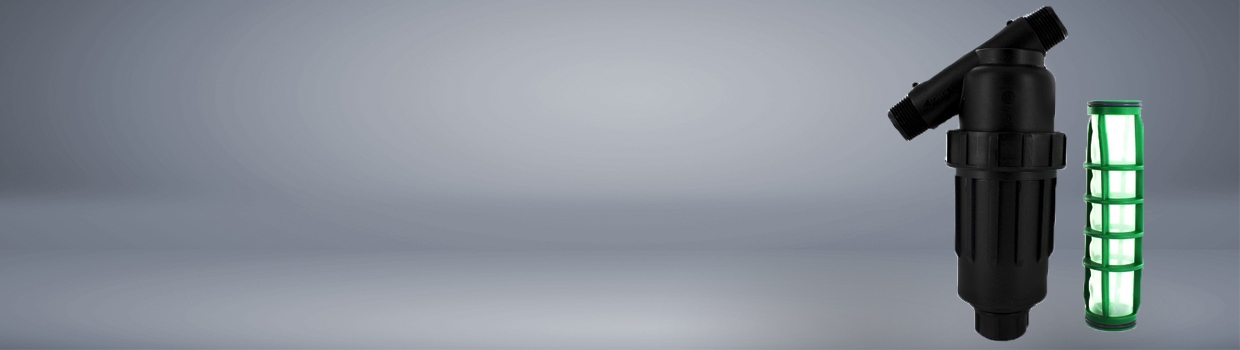
Yes, drip irrigation filters are recommended for most drip irrigation systems because they help remove elements such as sand, dirt, and debris that can clog the system. This clogging can prevent water from reaching the plants properly. Different types of drip irrigation filters and screens are available depending on the system size, water quality, and pressure requirements.  Polyester drip screen filters are durable and easy to clean, which makes them a popular, reliable choice for both residential and commercial irrigation setups. Polyester is inherently non-corrosive, meaning it retains its performance even after long-term exposure to water, fertilizers, and various weather conditions.

Polyester Drip Filters FAQs

What are the different types of filters used in drip irrigation?

Several types of filters are used in drip irrigation systems to prevent clogs and ensure consistent water flow, each suited to different setups and water conditions. Irrigation screen filters are the most common filter type. These drip filters are commonly made from stainless steel or polyester because of its non-corrosive properties. Stainless steel drip screen filters are ideal for high-pressure setups due to their durability. Polyester mesh filters can be manufactured with very consistent micron ratings, offering precise filtration for fine particles without restricting flow too much. Disc filters use a stack of grooved plastic disks to filter out fine particles, like algae. Pressure-regulating filters combine filtration with water pressure regulation at the same time. Hose-end filters are ideal for small or temporary systems that need quick filtration.

How often should a drip irrigation filter be cleaned?

Determining how often to clean a drip irrigation filter depends on several factors, from water quality, system size, and environmental conditions near the system that may impact water clarity. Irrigation screen filters should typically be checked and cleaned every 2 to 4 weeks during regular system use. Drip irrigation systems that use untreated water sources, such as wells, ponds, or reclaimed water, may need more frequent cleaning to prevent clogging. Larger drip irrigation systems move higher volumes of water through longer tubing runs and more emitters, which can cause filters to clog faster due to increased debris load. Environmental conditions, like wind, nearby trees, or agricultural activity, can introduce extra dust, leaves, or sediment into water sources, increasing the likelihood of filter buildup. Polyester mesh filters are easy to remove, rinse, and reuse, making them a reliable option for both residential and commercial drip systems.

When should you replace a drip filter?

A drip irrigation filter should be replaced when it becomes damaged, warped, or no longer cleans effectively. While many drip filters are resistant to mineral acids, over time, with long-term exposure, buildup from hard water, algae, or debris can wear down the mesh or reduce filtration performance, even with regular cleaning. For polyester mesh filters in particular, replacement is recommended if the screen becomes torn, misshapen, or shows signs of wear and tear. Sprinkler Warehouse carries several replacement filter options for mesh polyester replacement filters.