Trust Guard Security Scanned
hours left for
same day shipping

hours left for
same day shipping

Loading...

How to Cut Irrigation Pipe

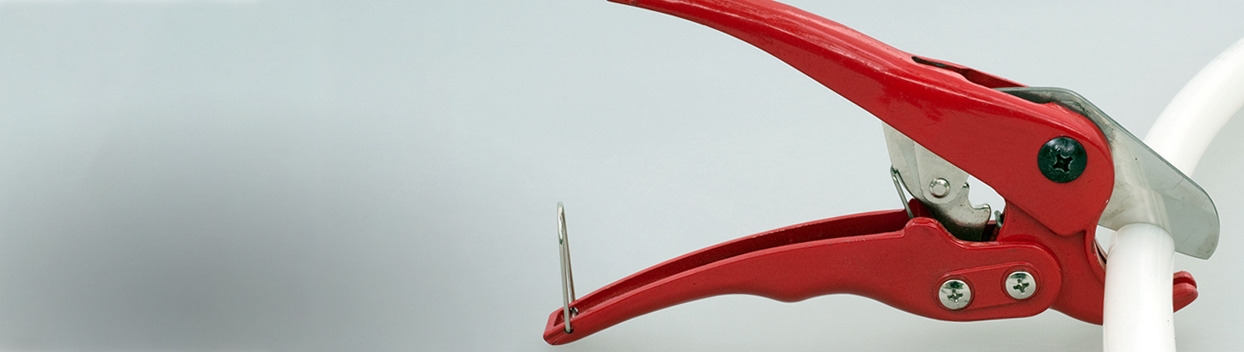
The process of cutting an irrigation pipe will differ depending on the type of pipe. Using the right cutting tools for the job will usually speed up the process and ensure clean cuts. For PVC pipe, a PVC pipe cutter is best. For larger diameters, a fine-toothed saw (like a hacksaw) also works. Just remember to deburr the edges afterward for a secure fit. For poly pipe or drip tubing, stick to a poly pipe cutter or a sharp utility knife in a pinch. As a general tip, always measure and mark your cut location carefully, then make straight cuts with your pipe cutting tool.

Cutting Tool FAQs

How do you cut flexible irrigation pipe?

Cutting a flexible irrigation pipe is pretty straightforward when using a poly pipe cutter. Start by measuring the tube and marking where you want to cut. Then, with a pipe or hose cutter, align the blade with your mark and squeeze the handles for a clean, straight cut. With a utility knife, secure the pipe and cut through by pressing firmly.

How do you cut PVC pipe cleanly?

PVC pipe cutters give very clean, square cuts with minimal effort. To get a clean cut, start by marking and securing your PVC. Position your PVC pipe cutter’s blade on your mark and squeeze the handles slowly until the blade cuts through. Afterwards, you can even deburr the ends to make them smoother. This ensures proper fitment and reduces the risk of leaks at the joints.

How do you use a soil knife?

A soil knife is a gardening and landscaping tool designed primarily for digging and cutting the soil. These tools are commonly used to dig small holes or trenches for planting bulbs, seedlings, or small plants. Their jagged design allows them to cut through roots, sod, and tough soil with ease. You can also use the pointed tip to dig or loosen the soil, allowing you to pry up dirt or roots.