Trust Guard Security Scanned
hours left for
same day shipping

hours left for
same day shipping

Loading...

Applications of Micro-Sprinklers

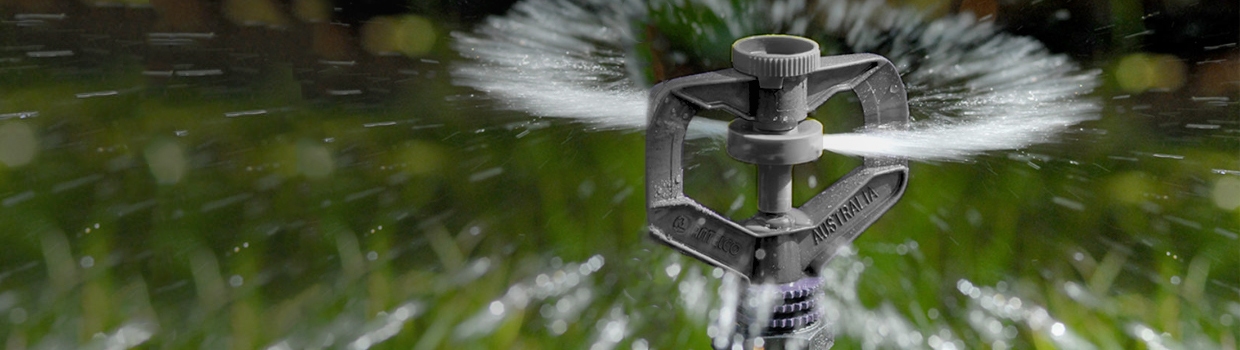
Mini sprinklers are designed to deliver water at low flow rates and pressures, making them ideal for efficient water distribution in small-scale areas. This makes them a perfect choice for agriculture, as their gentle spray avoids soil erosion around the roots. By providing precise coverage to vines, micro irrigation promotes healthy growth and fruit quality. By the same logic, you’ll find that micro-spray irrigation is also a great fit for gardening, greenhouses, and plant nurseries.

Micro Sprinkler Water Pressure

Micro sprinklers operate at lower flow rates than conventional sprinkler heads. Many of the models available at Sprinkler Warehouse operate around 20 to 50 PSI, though the range will vary. Still, there is a bit of a balancing act. Pressure that is too low can reduce the spray radius or prevent proper rotation, while excessive pressure may create misting and uneven watering. As such, a pressure regulator is often used to maintain uniform performance. When installed properly, a micro sprinkler typically uses about 5 to 30 gallons of water per hour.

Micro & Mini Sprinkler FAQs

What are the advantages of using micro-sprinklers?

Mini sprinklers use less water than traditional sprinklers because the fine mist delivers water directly to the soil and minimizes evaporation. By delivering consistent water across a given area, micro sprinklers ensure all plants receive the right amount of moisture.

What is the difference between micro-sprinklers and drip irrigation?

Micro-sprinklers distribute water in a fine mist over a larger area, covering a wider radius. On the other hand, drip irrigation delivers water directly to the base of individual plants through emitters or tubing, providing a more targeted approach for each plant's root zone.

How many micro sprinklers can you put on one line?

You can calculate the exact number of micro sprinklers that your line will support based on the available water pressure and each sprinkler’s flow rate. Divide the line’s available flow by the flow rate of one micro sprinkler to estimate the maximum number. For example, a line supplying 60 gallons per hour can support about 15 sprinklers rated at 4 gallons per hour.

How do you connect a micro sprinkler to distribution tubing?

To connect a micro sprinkler to your tubing, push the sprinkler’s barbed inlet directly into the end of the tubing. If the sprinkler branches from a mainline, punch a hole in the main tubing, insert a connector, and attach the distribution tubing. Make sure to fully secure each connection to prevent leaks.

Can micro-sprinklers be used in windy conditions?

A mini sprinkler irrigation system is generally more effective in areas with little to no wind. The fine mist can be blown away easily in stronger winds, making the watering less consistent. In areas with frequent high winds, it may be necessary to install windbreaks or use sprinkler heads with larger droplet sizes.