Trust Guard Security Scanned
hours left for
same day shipping
hours left for
same day shipping
Loading...

How to Install PVC Caps and Plugs

To install a PVC end cap, start by cleaning the pipe, ensuring that the end is free of debris. If you’re using a solvent-weld cap, apply PVC primer to the outside of the pipe and the inside of the cap to prepare the surfaces for bonding. After the primer dries, apply PVC cement to the same areas and quickly slide the cap over the end of the pipe. After that, just let the connection sit for a couple of hours before using the system. Installing a PVC plug is slightly easier, as all you’ll need to do is hand-tighten the plug into the female-threaded fitting. If the plug is not sealing properly, you can apply Teflon tape (plumber's tape) to the threads for extra leak prevention.

PVC Caps & Plugs FAQs

What is the difference between a PVC plug and a PVC cap?

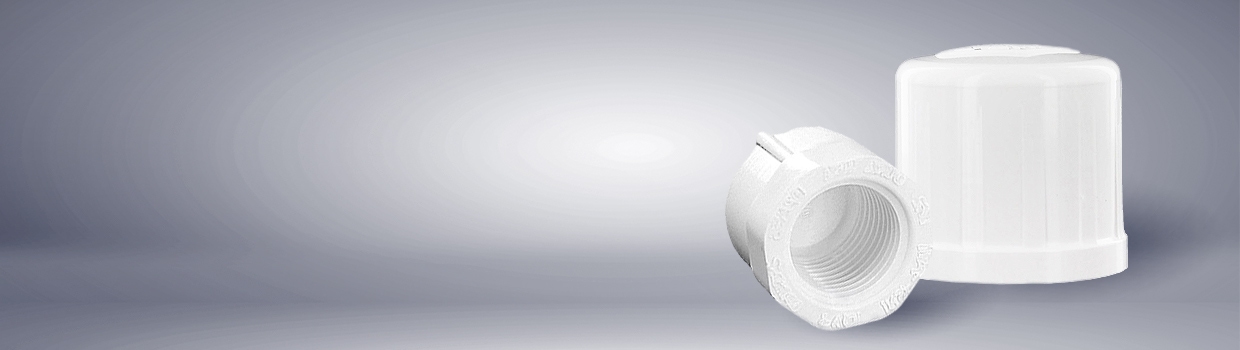
The main difference between a PVC plug and a PVC cap is how they fit onto a pipe. PVC caps fit over the end of a pipe, covering it externally. PVC plugs are screwed inside a fitting with female threads, sealing the pipe internally.

What are PVC caps and plugs used for?

PVC caps and plugs are used to seal and protect the ends of pipes or fittings. PVC end caps and plugs can be used to temporarily or permanently seal a pipe when it is no longer in use. They also shield open pipe ends from dirt, dust, or damage. During maintenance, plugs and caps will help temporarily block flow while repairs are made.

Should I use threaded or slip PVC caps and plugs?

Threaded PVC caps and plugs can screw onto other threaded fittings, while slip PVC caps and plugs are secured using PVC primer and cement. Slip fittings are generally preferred for permanent pipe closures, while threaded fittings are easier to adjust. Make sure to evaluate the connection type on your other sprinkler parts before ordering either.

Should I use PTFE tape or sealant on threaded PVC plugs?

Yes, threaded PVC plugs typically require PTFE thread seal tape or another compatible sealant to create a watertight connection. Make sure to apply the sealant to the male threads before installation. If using PTFE tape, try not to use more than 1 or 2 layers to ensure parts can be disconnected again later.

Can PVC caps and plugs be removed and reused?

Threaded PVC caps and plugs can generally be reused as long as they aren’t damaged. Simply unscrew the fitting and apply a fresh layer of PTFE tape before reinstalling. Slip PVC caps and plugs, however, are designed for permanent connections. Once bonded using PVC cement, they cannot be separated without cutting the pipe.

Can PVC caps and plugs withstand high water pressure?

Pressure capacity can fluctuate between PVC caps and plugs, but most can withstand high levels of water pressure. Schedule 80 fittings generally offer greater pressure resistance than comparable Schedule 40 fittings. Be sure to verify the manufacturer's pressure rating and ensure it meets or exceeds your irrigation system's maximum operating pressure.

Can PVC caps and plugs handle high pressure?

PVC caps and plugs can handle varying levels of pressure. Schedule 40 PVC caps and plugs are the most common and are suitable for low- to moderate-pressure systems like residential plumbing or irrigation. Schedule 80 caps and plugs are thicker and can handle higher pressures. They're often used in industrial applications where higher pressure is expected.