Sign Up For Specials & Exclusive Discounts
Delivered directly to your inbox.
By inputting your email you agree to receive recurring promotional marketing emails from Sprinkler Warehouse.
How Do Compression Fittings Work?
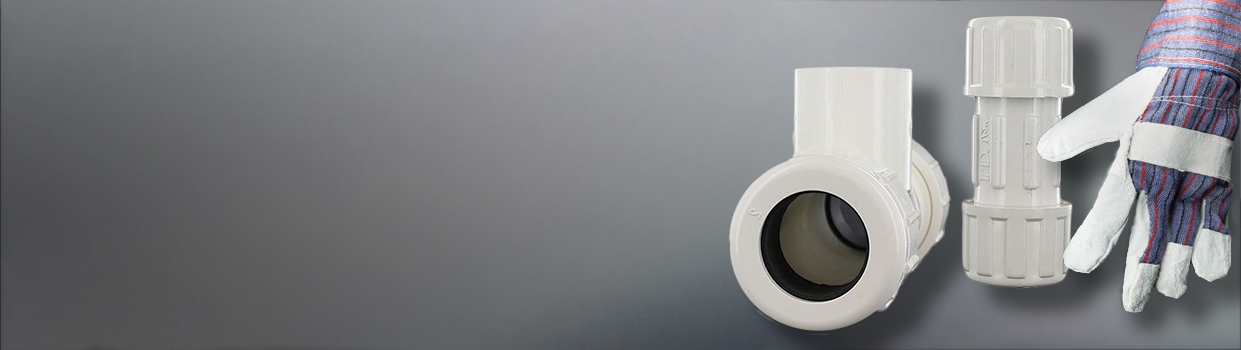
Compression fittings are popular for their ability to create watertight seals without glue or solder. In fact, installing them is quite simple. The pipe is inserted into the fitting, and a threaded nut is tightened over an internal gasket or O-ring. As the nut is tightened, it compresses the gasket against the pipe, forming a secure, leak-resistant connection. The speedy installation process makes compression pipe connectors a great choice for people with little experience in sprinkler installation. Many compression couplings are compatible with both PVC and metal pipes, so you’ll have a bit of flexibility in your installations.
PVC Compression Fittings FAQs
What tools do I need to install compression fittings?
You don’t need any tools to install compression fittings. Hand tightening is usually sufficient. For larger fittings, a wrench or adjustable pliers can help ensure a snug, leak-free seal. Additionally, you may need a pipe cutter or saw to cut the pipe squarely and a deburring tool or sandpaper to smooth the edges. These tools make installation more precise, but technically aren’t essential.
Are PVC compression fittings reusable?
Yes. PVC compression fittings are non-permanent, so you can loosen the nut, remove the pipe, and reconnect it elsewhere. However, it’s important to inspect the internal gasket or O-ring for wear or damage before reuse, as a compromised seal can cause leaks. Reuse is most common in residential irrigation setups, where the fitting hasn’t been subjected to excessive stress or chemical exposure.
How tight should compression fittings be?
The goal is to compress the gasket or O-ring enough to create a watertight seal without over-tightening, which can damage the fitting or pipe. Over-tightening may crack PVC or deform the gasket, causing leaks. Properly tightened fittings should feel secure, resist slight movement, and prevent water from seeping under normal system pressure.