Trust Guard Security Scanned
hours left for
same day shipping

hours left for
same day shipping

Loading...

Installling an End Cap

Installing an end cap seals the open end of irrigation or drip tubing, preventing leaks and helping the system maintain proper pressure. End caps are typically installed at the end of each mainline tube, branch line, and unused section that may be added later. To install one, simply push, twist, or compress the end cap onto the tubing according to the fitting style. Barbed caps may require a clamp, while compression and twist-lock fittings usually secure without one. Removable sprinkler plugs are especially useful, as they can be opened periodically to flush debris from the irrigation line.

End Cap & Goof Plug FAQs

What are goof plugs used for?

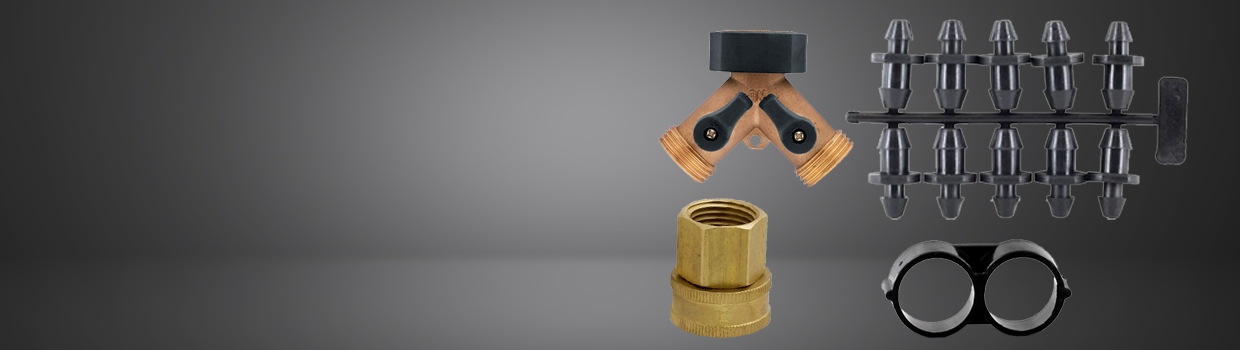
Goof plugs are used to seal unwanted holes in drip irrigation tubing. They are especially helpful when a drip emitter or micro-sprayer has been removed or installed incorrectly. One end typically fits small punched holes, while the larger end can seal slightly bigger openings. Goof plugs will help maintain system pressure without replacing an entire section of tubing.

Do end caps need clamps or fittings?

Barbed end caps used with polyethylene drip tubing may need a clamp in higher-pressure systems, but compression or twist-lock end caps can usually be secured by themselves. If the connection leaks or doesn’t stay on properly, consider adding the manufacturer-recommended clamp or fitting.

Which end of the goof plug do I use?

In general, use the end of the goof plug that fits the hole. The smaller end is typically used to seal holes made by a drip-irrigation punch, while the larger end is for oversized holes or the ends of a tube. If the plug feels loose, use the larger end or replace the damaged section of tubing.