Trust Guard Security Scanned
hours left for
same day shipping

hours left for
same day shipping

Loading...

How Hydraulic Converters Work

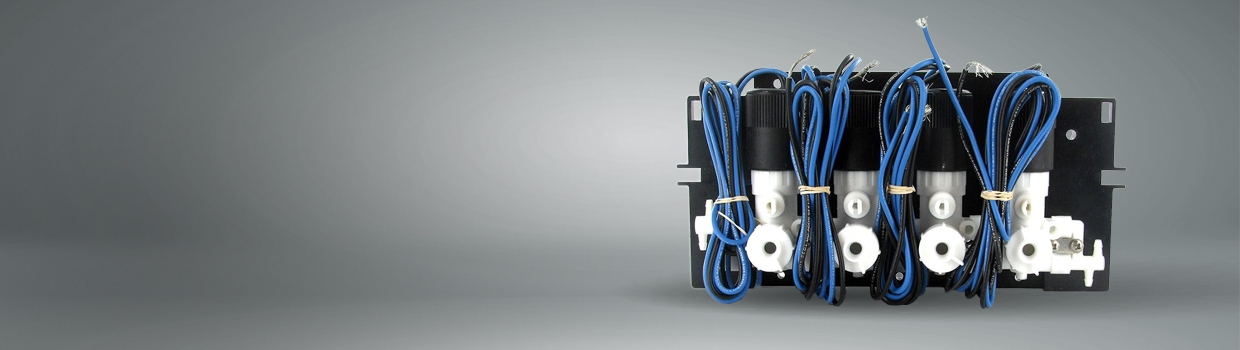
In the simplest terms, electric to hydraulic converters take electrical signals and turn them into hydraulic power. When your irrigation controller sends an electric signal to the converter, the converter activates a hydraulic valve, which then opens or closes the water flow to specific zones. Instead of relying solely on electrical wires, hydraulic tubing is used to transmit pressure to any number of valves. This is especially useful in large-scale or agricultural systems.

Hydraulic Converter FAQs

Can I use any electric controller with a hydraulic converter?

Not all electric controllers are compatible with hydraulic converters. Hydraulic converters typically require a specific type of low-voltage electrical signal. Some controllers are made for solenoid valves and not hydraulic ones. When in doubt, review the hydraulic converter’s description to see which controllers are compatible.

How do you install an electrohydraulic converter?

Electric to hydraulic converters require careful integration of their electrical and hydraulic components. Turn off your system, then secure the electrohydraulic converter to a stable surface near the irrigation control valve. Connect the control wires from the irrigation controller to the converter's electrical terminals and the hydraulic tubing from the converter to the individual hydraulic valves. Make sure all hydraulic connections are sealed by briefly activating the system.

Does the converter replace my existing valves?

No, a hydraulic converter does not replace your existing valves. If your irrigation system already uses hydraulic valves, the electrohydraulic converter is installed to allow an electric irrigation controller to operate those valves. However, if you're switching from electric to hydraulic control (or vice versa), then you may need to change your valves to match the control type.