Trust Guard Security Scanned
hours left for
same day shipping

hours left for
same day shipping

Loading...

Advantages of Jet Sprayers

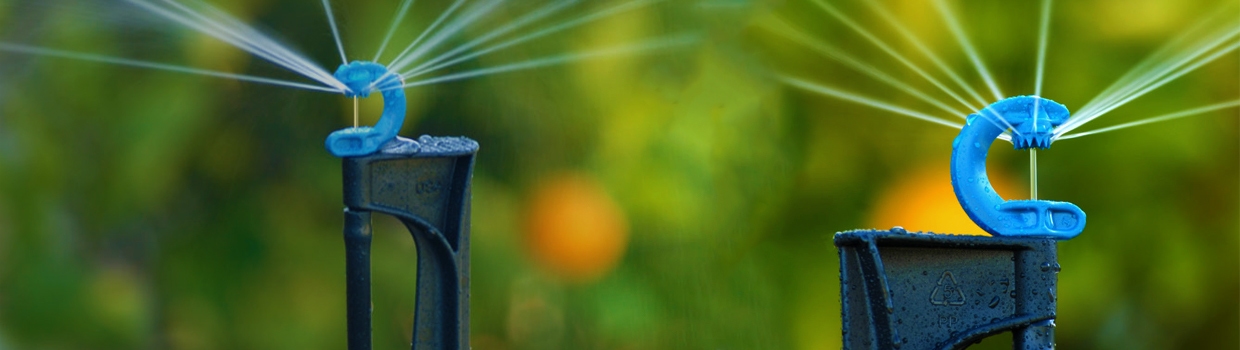
Jet sprayers provide efficient watering for densely planted areas by covering multiple plants at once with a single emitter. These irrigation jets offer more water coverage than traditional drip emitters but use less water and pressure than standard sprinkler heads. Spray jets for drip irrigation systems are available in a range of spray patterns, such as 90, 180, and 360 degrees, which allows you to direct water exactly where it’s needed based on your garden layout. Jet sprayers are ideal for flower beds, low-growing groundcovers like creeping thyme or periwinkle, and other compact plantings such as herbs, leafy greens in vegetable gardens, or small flowers planted close together.  With flow rates from 6 to 30 gallons per hour, it's easy to match the water output to the needs of each zone. Many models come in blue, green, or red, making them easy to identify during setup and maintenance.

Jet Sprayers FAQs

Why use jet sprayers for irrigation?

Jet sprayers are a reliable, low-maintenance method for delivering water efficiently across targeted areas in a landscape. Compared to more complex systems like micro-sprinklers, jet sprayers feature fewer moving parts, which reduces maintenance needs. Brands like Maxijet, Antelco, DIG, and Rain Bird offer a range of irrigation jets tailored to various landscape layouts and watering needs. Frame jets, for example, are commonly used in orchards and vineyards due to their durability and uniform coverage. Fan sprayers distribute a flare-shaped spray pattern and can be mounted in multiple positions, including on stakes, risers, or directly on irrigation tubing. This combination of targeted spray control, mounting flexibility, and low water pressure requirements makes jet sprayers a practical solution for both residential gardens and agricultural systems.

What is microjet irrigation?

Microjet irrigation is a type of drip irrigation that delivers water to plants through small, low-pressure jet sprays. This method is commonly used in gardens, orchards, and nurseries because it provides consistent, targeted moisture to the root zones without saturating the surrounding soil. Compared to traditional systems like overhead sprinklers, microjet irrigation uses less water, which helps reduce waste, lower utility costs, and prevent runoff in densely planted areas. Drip irrigation spray jets are generally easy to install and maintain. Many models come pre-mounted on stakes and can be positioned to cover specific zones or plant types. Micro-sprinklers and jet sprays are especially compatible with standard drip tubing and can be integrated into various irrigation setups. For further details, refer to our drip system installation guide.

How to choose the right irrigation jet?

When selecting an irrigation jet sprayer, consider the type of plants being watered, their root zone, the required water flow rate, and the desired watering pattern. To determine the ideal spray pattern for a drip irrigation spray jet, start by evaluating the shape and layout of the planting area. For example, a 90-degree spray is ideal for corners or the edges of garden beds, where water coverage is only needed on one side. A 180-degree spray would work well along borders or fences, watering in a half-circle pattern. However, for centrally placed plants and flower beds, a 360-degree spray is best suited to evenly reach all sides.