Trust Guard Security Scanned
hours left for
same day shipping

hours left for
same day shipping

Loading...

Brass Spray Nozzle Durability and Longevity

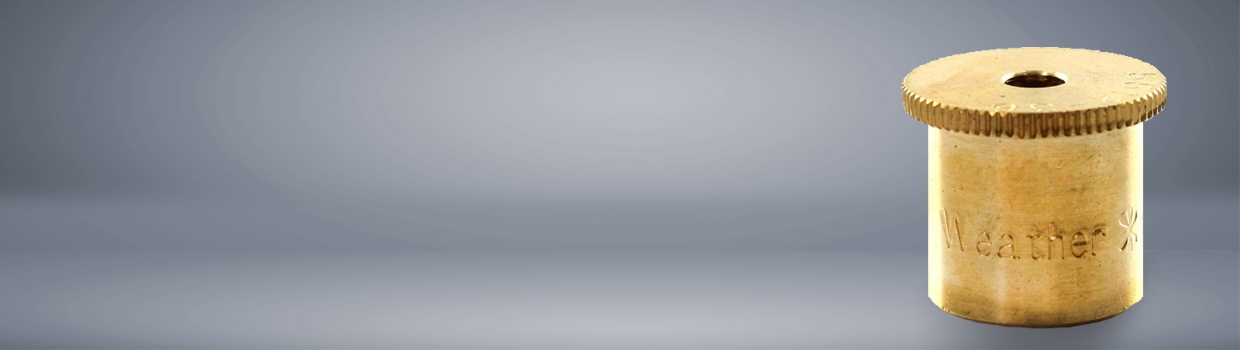
Brass is highly resistant to corrosion, especially in outdoor environments where exposure to water, dirt, and weather conditions can cause other materials (like plastic) to degrade. That’s why brass sprinkler heads last much longer than their plastic counterparts, particularly in areas with hard water or chemicals like fertilizers and pesticides. Brass is a strong material, which gives brass sprinkler heads the ability to withstand the pressure from irrigation systems without cracking or breaking. This makes them ideal for high-pressure systems.

Caring for Your Brass Nozzles

Taking care of your brass sprinkler nozzle helps extend its lifespan and the quality of watering. For starters, regularly inspect the nozzle for debris or mineral buildup, especially if you have hard water. Clean it by removing the nozzle and soaking it in a mild vinegar solution to dissolve deposits, then rinse it thoroughly before replacing it. Check for wear or corrosion and replace the nozzle if the spray pattern becomes uneven. During seasonal freezes, consider removing the nozzle and draining the system to prevent any damage.

Brass Spray Nozzle FAQs

What are the benefits of using a brass spray nozzle?

Due to their corrosion resistance, brass sprinkler heads can last for many years without the need for replacement. In areas with high foot traffic, they will also be more resistant to breaking from someone accidentally kicking or walking over them. Their durability and reliability can be crucial, especially in areas with heavy use or harsh environmental conditions.

Can brass sprinkler nozzles be used in all sprinkler systems?

Brass nozzles are compatible with most sprinkler heads and systems, especially those designed for high pressure. However, always check the specifications for your particular sprinkler system to ensure compatibility.

Can I replace a plastic nozzle with a brass one?

Technically, yes, you can replace a plastic nozzle with a brass nozzle. However, check that the spray pattern, radius, and flow rate are similar to the original nozzle to maintain even watering across the zone. Brass nozzles and plastic nozzles have very different precipitation rates, so if you put one brass nozzle on a zone full of plastic ones, you could end up with a large discrepancy in water flow across your lawn.

How do brass sprinkler nozzles handle freezing?

Generally, brass sprinkler nozzles handle freezing better than plastic. Brass is stronger and less likely to crack under cold temperatures, but they are not totally immune to freeze damage. If water remains inside the nozzle and freezes, the expanding ice can cause cracks in the nozzle. Just like with plastic parts, brass nozzles should be properly winterized ahead of a big freeze.

How do brass nozzles perform in hard water conditions?

Brass nozzles perform very well in hard water conditions due to their resistance to mineral buildup. Unlike plastic nozzles, brass is less prone to cracking and can better withstand scaling from calcium and lime deposits. While some buildup may still occur over time, it’s usually easier to clean and less likely to clog completely.

What PSI can brass spray nozzles handle?

Most brass spray nozzles are built to handle residential water pressures, generally between 20 and 80 PSI. Many heavy-duty models can tolerate pressures up to 100 PSI or more without cracking or deforming, which makes them more durable than plastic alternatives. To prevent misting or uneven spray, it’s best to stay within the manufacturer’s recommended PSI range and use a pressure regulator if your system runs high.

How long do brass sprinkler nozzles last?

Brass sprinkler nozzles can last for many years, often longer than plastic nozzles, due to their durability and resistance to corrosion and wear. The lifespan can vary depending on the water quality and maintenance, but they can usually last 2-15 years.