Trust Guard Security Scanned
hours left for
same day shipping

hours left for
same day shipping

Loading...

Brass Valves are Better Than Plastic

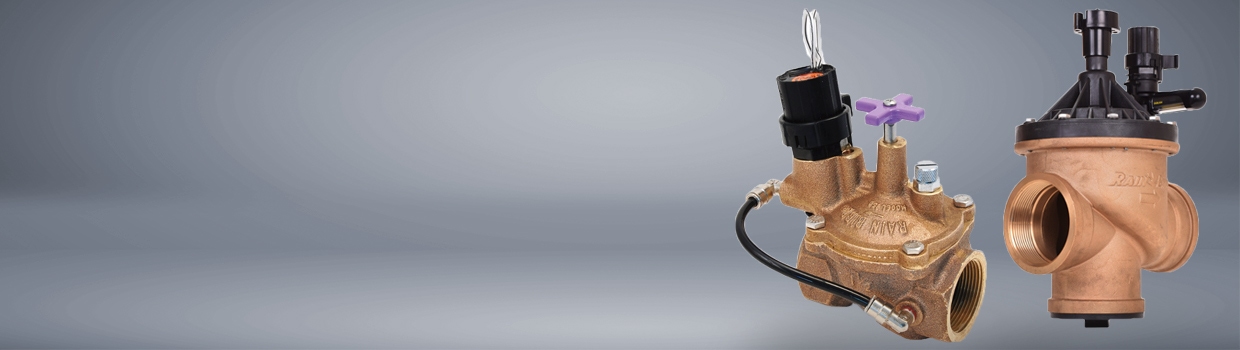
Brass valves are often considered superior to plastic valves for several reasons. For starters, brass valves are much more durable than plastic valves. Brass is a stronger material, making it less prone to cracking or breaking. This means it can withstand high water pressure and wear much better than plastic. Brass is also highly resistant to corrosion, making it an excellent choice for systems that will be exposed to changing weather conditions. Plastic valves don’t rust, but they can still degrade due to chemical exposure or UV radiation. Brass valves generally have a much longer lifespan than plastic valves but come at a higher cost, so order carefully.

Brass Valve FAQs

Are brass sprinkler valves worth it?

If you have a high-demand or commercial irrigation system, or if you’re looking for durable and long-lasting valves, brass valves are a great choice. They’re especially beneficial if your system is exposed to tough weather conditions or high water pressure.

How long do brass irrigation valves last?

Brass irrigation valves are known for their long lifespan due to their durability, corrosion resistance, and ability to withstand harsh environmental conditions. On average, brass irrigation valves can last anywhere from 10 to 30 years or more as long as they’re regularly cleaned and maintained.

What size brass valve do I need?

The correct brass valve size should match the diameter of your sprinkler system’s mainline piping. Most commonly, this will be 3/4 inch or 1 inch for residential systems. If you’re in the process of building a new sprinkler system, A 1-inch valve generally allows more water flow and is common for larger zones, while a 3/4-inch valve may suit smaller systems.

How do you replace the diaphragm in a brass sprinkler valve?

To replace a brass sprinkler valve diaphragm, start by shutting off the water supply and relieving system pressure. Remove the valve bonnet screws, lift off the bonnet, and note the diaphragm’s position. Remove the old diaphragm and spring, then clean away dirt or mineral buildup inside the valve. Install the correct replacement diaphragm and reposition the spring. Reattach the bonnet evenly, restore water slowly, and check for leaks and proper valve operation.

How do you replace a brass sprinkler valve?

Once you turn off the water supply, disconnect any plumbing connections or wires and remove the old valve. Install the new valve by aligning it with the pipes, securing it with fittings, and tightening the connections. Reconnect any wires (if applicable), then turn on the water and test the valve.