hours left for
same day shipping



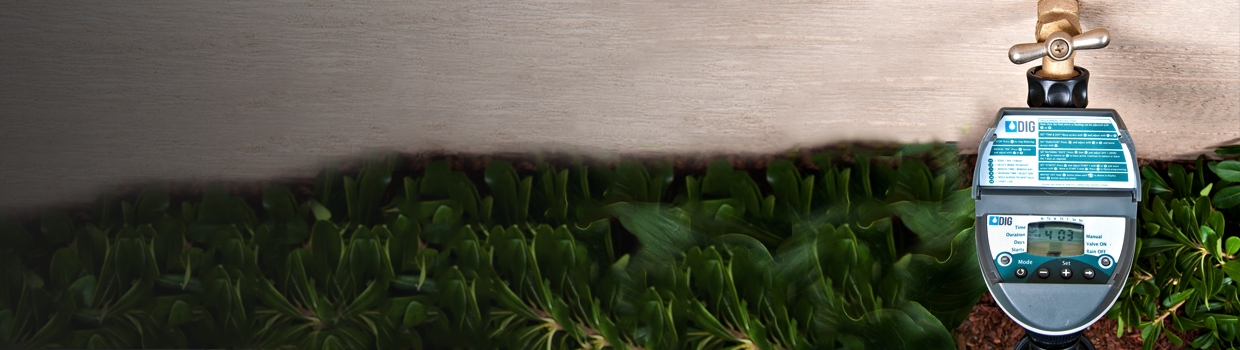
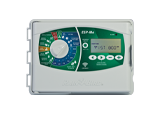
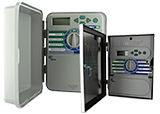
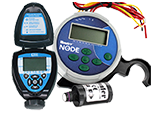
Drip irrigation controllers are essential components for efficiently managing your drip system. These system controllers help you conserve water by delivering precise amounts directly to the roots of your plants, ensuring they get everything they need without waste. Available in hose-end, valve-mounted, and wall-mounted models, drip irrigation controllers automate the watering process, saving time and resources while promoting healthier plant growth. Invest in a controller to maximize the benefits of your drip irrigation system.
Drip irrigation controllers minimize water waste by delivering precise amounts of water directly to your plants at scheduled intervals. This targeted approach reduces runoff and evaporation, ensuring that only the necessary amount of water is used, making them highly efficient in conserving water.
Yes, most drip irrigation controllers are compatible with standard drip irrigation systems. They are available in various types, including hose-end, valve-mounted, and wall-mounted models, which can be easily integrated with existing setups to automate and optimize your watering schedule.
When choosing a drip irrigation controller, look for features like programmable schedules, rain sensors, multiple zone control, and weather-based adjustments. These features help maximize water efficiency, offer flexibility for different plant needs, and ensure optimal irrigation based on local weather conditions.
Most drip irrigation controllers are easy to install and can be mounted near your water source or valves. Some models, like hose-end controllers, simply attach to your hose, while others may require basic wiring to integrate with valves. Always follow the manufacturer's installation instructions for optimal performance.
Many modern drip irrigation controllers include weather-sensing features, such as rain sensors or smart controllers that adjust watering schedules based on local weather conditions. This helps prevent overwatering during rainy periods and optimizes water use during dry spells, further improving water efficiency.