Trust Guard Security Scanned
hours left for
same day shipping

hours left for
same day shipping

Loading...

Why Do I Need a Pressure-Reducing Valve?

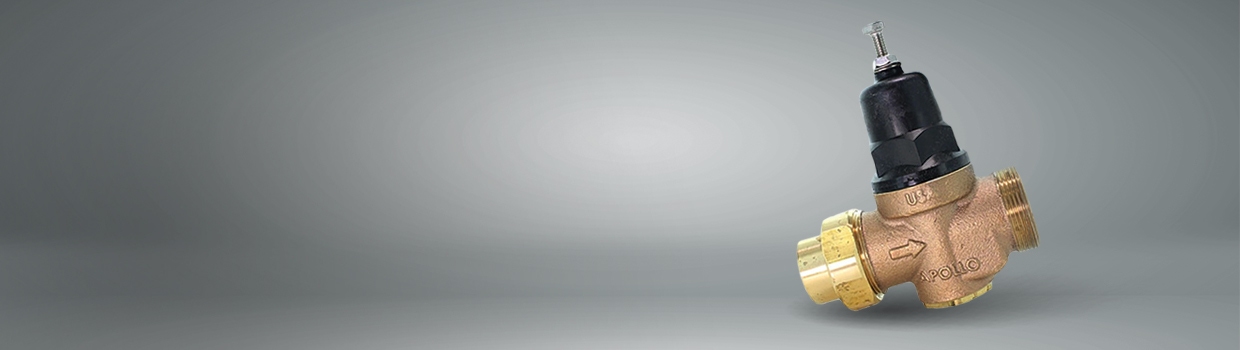
A pressure-reducing valve (PRV) is a necessary part of every irrigation system as it helps maintain the optimal pressure for your sprinklers. Without it, you could face a variety of issues and hinder the longevity of your system. For starters, high water pressure can cause damage to your sprinklers, valves, and other components. If exposed to excessive pressure, these components could crack or burst more quickly in their lifecycle. A PRV can also help prevent overwatering. A PRV helps to regulate the flow, ensuring the correct amount of water is applied slowly and evenly. This means that a sprinkler water pressure regulator will also help save on your water bills in the long run.

Pressure Reducing Valve FAQs

How does a pressure regulator work?

A pressure regulator controls and stabilizes the water pressure going into your sprinkler system. If the pressure is too high, the valve restricts water flow, reducing the pressure. If the pressure drops, it allows more flow, helping maintain a steady output. This keeps your system running at a consistent pressure, regardless of how high the input pressure is.

Can pressure-reducing valves be adjusted?

Some pressure-reducing valves can be adjusted, while others are factory-set to a specific pressure level. At Sprinkler Warehouse, our water pressure regulators come with an adjustable knob on the side, which allows you to set the preferred pressure levels. Turn it clockwise to increase pressure or counterclockwise to decrease pressure.

What is the difference between a pressure-reducing valve and a pressure regulator?

A pressure-reducing valve is typically installed on the main water line to reduce high incoming pressure to a safe, consistent level for the entire system. A pressure regulator, on the other hand, is often used in specific zones, often for drip irrigation, to maintain a lower, precise pressure suited for emitters.

Why is my water pressure still high after installing a PRV?

If your water pressure is still high after installing a pressure-reducing valve, it may be due to incorrect sizing or installation issues. Many PRVs are adjustable, so the set pressure may need to be lowered using the adjustment screw. Debris inside the valve can also prevent it from regulating properly. Additionally, if the PRV is installed backward or downstream of a branch line, it won’t control pressure effectively.

How do you replace a pressure-reducing valve?

Replacing a pressure-regulator valve in an irrigation system is a pretty straightforward job. After shutting off the water and draining the system, start by removing the old valve. It may need to be sawed out if it used a slip connection with PVC cement. Next, install the new valve. Align it properly with the flow direction, then thread it or glue it into place. Let any glue connections cure, then turn the water back on and check for leaks.