hours left for
same day shipping



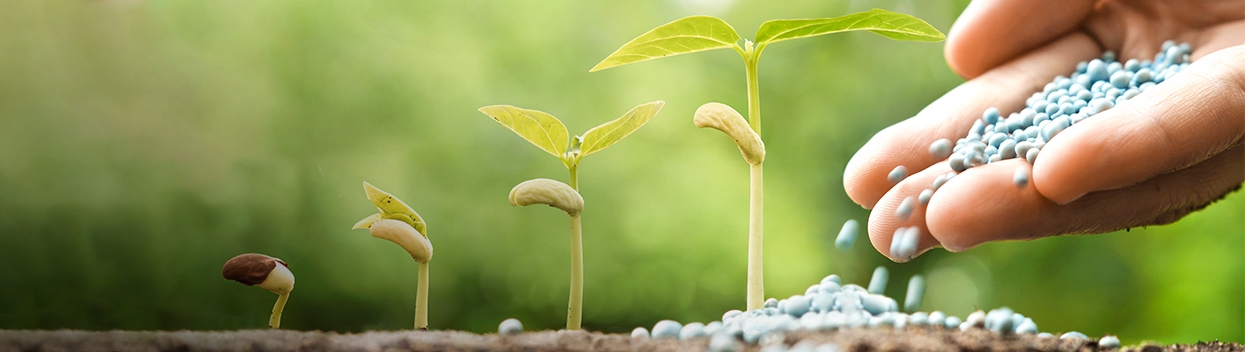
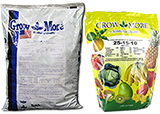
Fertilization - and NPK - is key to a thriving garden. When you fertilize, you provide essential nutrients that improve root strength, promote lush foliage, and enhance the disease resistance of your plants. Whether growing flowers, vegetables, or trees, proper fertilization ensures optimal growth and yield. With high-quality lawn care brands like Grow More and EZ-Flo at our disposal, there’s little excuse for not having a welcoming investment between your front door and the world.
A lush, thriving garden starts with proper fertilization. Whether you’re growing flowers, vegetables, or a healthy lawn, knowing the best fertilizing practices - and being equipped with the best fertilizers - ensures strong root development, vibrant growth, and abundant yields.
Ever wonder what the three numbers on fertilizer bags mean? Plants need nutrients just like we do, and fertilizers provide essential elements that might be lacking in the soil. The three key nutrients—Nitrogen (N), Phosphorus (P), and Potassium (K)—are represented by the NPK ratio on fertilizer labels and separated by hyphens.
15 - 30 - 15 = Nitrogen - Phosphorus - Potassium
First Number:
Nitrogen (N) promotes leafy growth and is crucial for lawns, leafy greens, and fast-growing plants.
Second Number:
Phosphorus (P) supports root development and flowering, making it vital for fruiting plants and transplants.
Third Number:
Potassium (K) enhances overall plant health, resistance to disease, and water regulation.
NPK ratios (nitrogen, phosphorus, and potassium) can guide your fertilization choices based on plant needs. Pairing the right fertilizer with proper irrigation practices ensures nutrients are absorbed effectively, leading to stronger, more productive plants.
Root Strength | Proper fertilization promotes strong root development, helping plants establish a solid foundation for growth.
Lush Foliage | Adequate nutrients result in healthy, vibrant foliage that enhances the plant's overall appearance and function.
Pest and Disease Resistance | Well-nourished plants are more resilient, reducing their susceptibility to pests and diseases.
Higher Yields | Fertilization supports bountiful fruit and vegetable production, ensuring a more abundant harvest.
Applying fertilizer in the right location ensures maximum absorption and minimizes waste. Different plants have unique nutrient needs, and directing fertilizer appropriately can enhance growth while preventing runoff, waste, and imbalances.
In regions with shorter growing seasons, timing is everything. Applying lawn and plant fertilizer in the early spring jumpstarts plant growth, while summer applications sustain it. A final fall feeding helps plants store energy to survive harsh winters.
Spring (early-mid): Apply a balanced fertilizer when soil temperature reaches 55°F.
Summer: Light feeding to maintain growth.
Fall: Apply a phosphorus-rich fertilizer to strengthen roots before winter.
With moderate seasonal shifts, plants in these areas thrive when fertilized strategically. A nitrogen boost in spring fuels growth, while summer applications support ongoing health. In fall, adjusting nutrient levels strengthens plants for colder months.
Spring: Begin with a nitrogen-rich fertilizer as new growth emerges.
Summer: Fertilize every 4-6 weeks, adjusting NPK ratios based on plant needs.
Fall: Reduce nitrogen but boost potassium for hardier plants in winter.
Mild winters and extended growing seasons mean fertilization can be done year-round. However, extreme summer heat requires careful nutrient management to prevent stress and overgrowth.
Year-Round: Due to extended growing seasons, fertilization can occur every 6-8 weeks.
Summer: Avoid heavy nitrogen applications in extreme heat to prevent plant stress.
500wd Ipsum is simply dummy text of the printing and typesetting industry. Lorem Ipsum has been the industry's standard dummy text ever since the 1500s, when an unknown printer took a galley of type and scrambled it to make a type specimen book. It has survived not only five centuries, but also the leap into electronic typesetting, remaining essentially unchanged. It was popularised in the 1960s with the release of Letraset sheets containing Lorem Ipsum passages, and more recently with desktoppp
The type of fertilizer you should use for your lawn depends on the type of grass, the season, and the soil's nutrient needs. If your lawn is struggling with yellowing grass or slow growth, a fertilizer with a higher nitrogen ratio is a good choice. If your soil is relatively healthy and you're looking for overall maintenance, a balanced, all-purpose fertilizer is best.
Generally, for a healthy lawn, you should aim to fertilize about 2 to 4 times per year. After winter, your lawn is coming out of dormancy and needs a boost of nitrogen to promote healthy green growth. Use a fertilizer high in nitrogen to kickstart growth. Avoid fertilizing in the winter when the grass is dormant.
In most cases, this is fine, but it's important to check the nutrient ratios. Lawns typically need a fertilizer higher in nitrogen, while gardens may need more balanced nutrients. If you're using an all-purpose fertilizer, it can work for both, but consider specialized formulas for specific garden plants or needs. Always follow the recommended application rates for both to avoid over-fertilizing.
The best time to fertilize your garden depends on the type of plants you're growing, but generally, you’ll want to work fertilizer into the soil before planting to ensure roots have access to nutrients. After that, consider a seasonal approach, fertilizing every couple of months.
Yes, you can over-fertilize both your lawn and garden. Over-fertilizing can lead to nutrient imbalances, burning the grass or plants. It can also harm the environment by causing runoff that pollutes water sources. Always follow recommended application rates, and avoid fertilizing too frequently to keep your lawn and garden healthy.
How To Adjust A Sprinkler Head
The ability to adjust sprinkler heads allows you to provide every bit of your lawn or garden with...
How To Adjust A Sprinkler Head
The ability to adjust sprinkler heads allows you to provide every bit of your lawn or garden with...
How To Adjust A Sprinkler Head
The ability to adjust sprinkler heads allows you to provide every bit of your lawn or garden with...
How To Adjust A Sprinkler Head
The ability to adjust sprinkler heads allows you to provide every bit of your lawn or garden with...