Trust Guard Security Scanned
hours left for
same day shipping

hours left for
same day shipping

Loading...

How Test Cocks Are Used

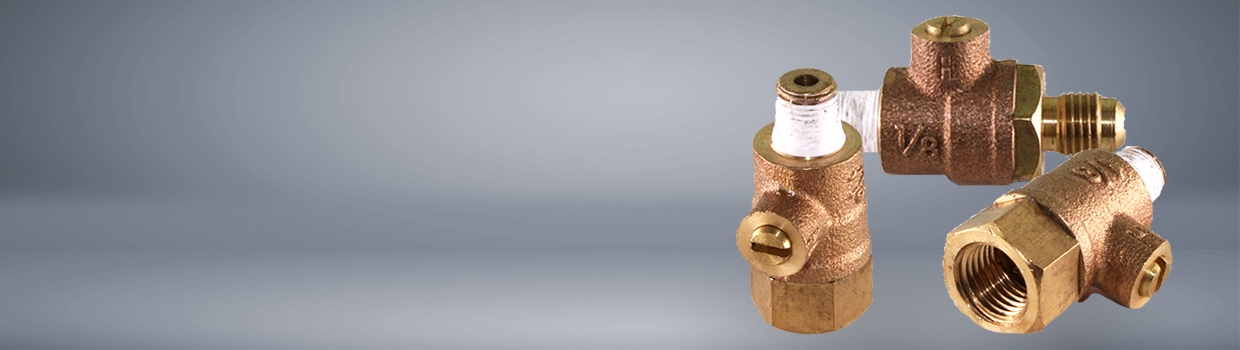
Backflow units should be tested about once a year. During this test, a technician attaches a testing device to each test cock in sequence to verify that the backflow prevention assembly is maintaining adequate pressure to prevent backflow. A successful test helps ensure that water is only flowing in the intended direction, without backflow risk. If there are leaks, pressure drops, or other irregularities in the readings, it indicates that the device may not be providing sufficient backflow protection.

Backflow Test Cock FAQs

Why do I need backflow testing?

Backflow testing is essential for sprinkler systems that connect directly to a potable water supply. Without a backflow preventer test port, your water supply could unknowingly become contaminated by your sprinkler system.

Can I perform a backflow test on my own?

Oftentimes only licensed or certified professionals can conduct backflow testing and repairs. Backflow testing requires specialized training, equipment, and certification, as it involves protecting the public water supply from contamination.

What tool is used to open or close a backflow test cock?

A backflow test cock can typically be opened or closed using a flathead screwdriver. Most test cocks have a small slotted screw head on top that turns to open or close the port. Some larger units have tiny handles you can turn by hand.

Why is water coming out of my backflow test cock?

Water coming out of a backflow test cock usually means the test port is partially open. The small slotted screw on the test cock only needs a ¼-turn to open or close, but if it’s slightly open, water can leak or spray out. It can also happen if a test gauge was recently removed, debris is stuck in the port, or the rubber seal inside the test cock is worn. In most cases, turning the screw clockwise until it’s perpendicular to the port will close it and stop the leak. If water continues to drip, the test cock may need cleaning or replacement.

What should I do if my backflow test fails?

If your backflow test fails, it means that your backflow prevention device isn’t protecting your water supply. Your certified tester should provide a detailed report explaining why the device failed. Review this report and schedule repairs promptly, as failing to address the issue could put your potable water supply at risk.