Trust Guard Security Scanned
hours left for
same day shipping

hours left for
same day shipping

Loading...

Tools You Need for Drip Irrigation

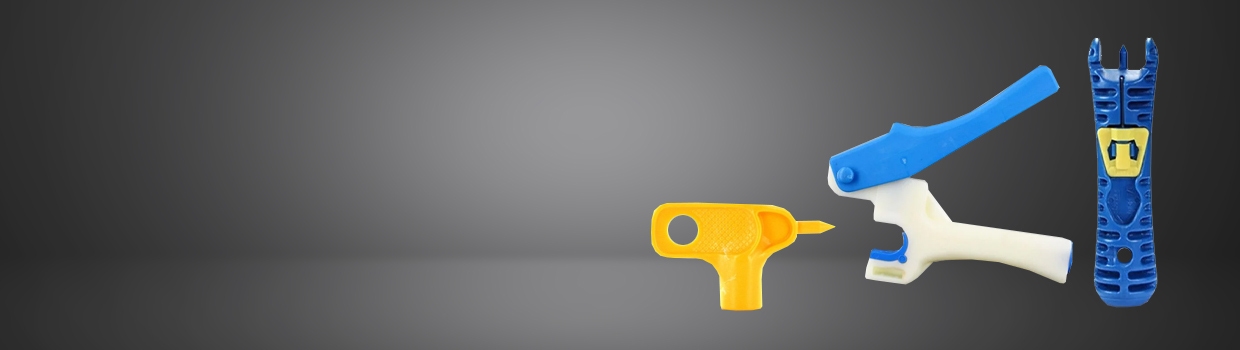
Generally speaking, when you’re building your first drip irrigation system, the right tools can make installation much faster. A hole punch tool creates correctly sized holes in polyethylene tubing for emitters and distribution tubing. Using a hole punch produces a cleaner hole than an improvised tool. A drip tubing cutter makes straight, smooth cuts without deforming the tubing. Insertion and installation tools provide extra grip and leverage when pushing barbed fittings or emitters into tubing. Some combination tools can perform several tasks, such as punching holes, cutting tubing, inserting fittings, or removing installed parts.

Drip Irrigation Tool FAQs

How do you use a drip irrigation punch tool without damaging the tubing?

To use a drip irrigation punch tool, place the tubing on a flat surface and hold it securely. Position the punch straight against the side of the tubing, and press firmly with a twisting motion until the tool creates a hole. Insert the barbed fitting and check for leaks after pressurizing the system.

Can regular scissors be used to cut drip tubing?

Technically, a generic pair of scissors will suffice when cutting poly tubing, but a dedicated tubing cutter or sharp utility knife usually makes a cleaner, straighter cut. Dull scissors may deform the tubing, making fittings harder to install.

What is an insertion tool, and when is it needed?

An insertion tool is a small hand tool used to push barbed fittings or connectors into drip irrigation tubing. Using one of these tools will provide a better grip and reduce hand strain while working. An insertion tool is especially useful when installing many emitters in a row.