Trust Guard Security Scanned
hours left for
same day shipping

hours left for
same day shipping

Loading...

Distribution Tubing vs. Mainline Tubing

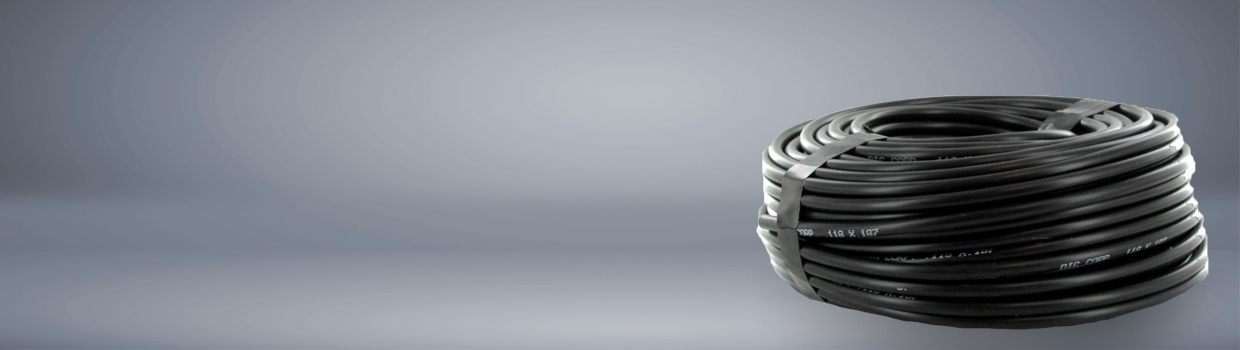
Distribution tubing and mainline tubing serve different roles in drip irrigation. Mainline tubing is the larger pipe that carries water from the source through the primary layout of the system. It is designed to handle greater flow and supply multiple branches with their own irrigation zones. Distribution tubing is smaller tubing that carries water from the mainline to an individual sprayer or drip emitter. Because its smaller diameter creates more friction and pressure loss, distribution tubing should generally be used for shorter runs and lower flow rates. To construct an efficient sprinkler system, use mainline tubing for longer distances and multiple outlets, then connect short sections of distribution tubing near the plants being watered.

Distribution Tubing FAQs

How do you connect distribution tubing to a main irrigation line?

To connect black vinyl or poly tubing to a main irrigation line, start by punching a clean hole in the main tubing using a hole punch. Insert a barbed fitting into the hole, then push the smaller distribution tubing firmly onto the exposed barb. Make sure the connection is secure and does not leak.

How far can irrigation distribution tubing run?

Before deciding how far your drip irrigation distribution tubing will run, consider the system’s water pressure, emitter flow rate, and elevation changes. For 1/4-inch distribution tubing, keep individual runs as short as 10 to 30 feet to reduce pressure loss. Longer runs with low-diameter tubing may cause uneven watering. Instead, try using 1/2-inch or larger distribution tubing for longer distances.

Can distribution tubing be buried underground?

Yes, black vinyl tubing can be buried underground, as long as it isn’t too deep. Covering 1/4-inch tubing with a few inches of soil or mulch is an easy way to remove a tripping hazard while preventing sun exposure. Avoid burying connections where they are difficult to inspect, and do not place tubing where shovels or lawn mowers could cause damage.