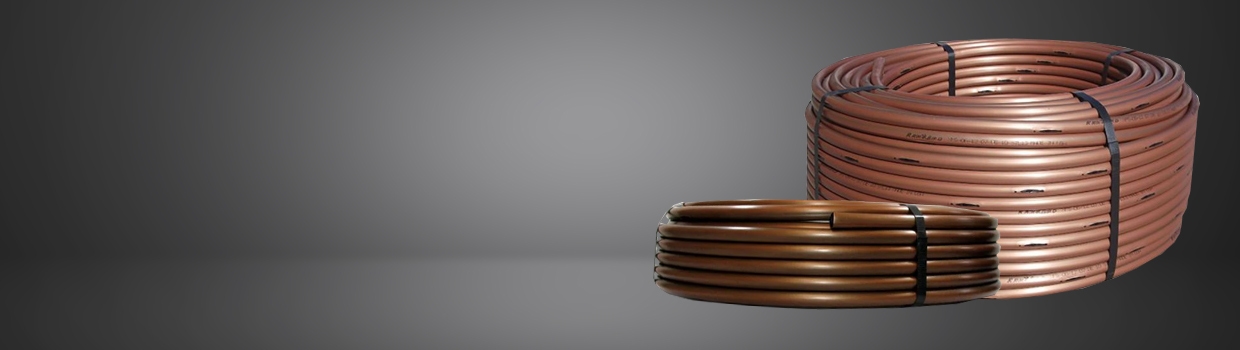
Sub-surface drip irrigation is a low-pressure, high-efficiency irrigation method that uses buried drip tubes or tape to meet irrigation needs. Subsurface irrigation saves water and improves yields by eliminating surface water evaporation and reducing the incidence of weeds and disease. Sub-surface drip irrigation is perfect for small, narrow and tight planting areas, as well as areas with tight curves or several switchbacks.
Please re-enter quantity based on the required multiple
You are attempting to add items with a quantity which is not a multiple of the item's purchase quantity
Item # {partNumber} is sold in multiples of {minpackQty} {uom}
The quantity will be rounded up to {currQty} {uom} in your cart.
Do you want to proceed?
Advantages of a Subsurface Dripline
A 1/2" subsurface dripline is commonly used in agriculture, landscaping, and even home gardening to maximize water efficiency and minimize evaporation or runoff. This setup offers highly efficient irrigation by delivering water directly to plant roots below the soil surface. A buried drip line will help conserve water, reduce weed growth by keeping the soil surface dry, and limit disease by avoiding wet foliage. It also allows for precise nutrient delivery with a fertigation system, improving plant health and crop yield.
1/2" Subsurface Dripline FAQs
How deep should a subsurface dripline be installed?
A subsurface dripline should typically be installed between 4 to 18 inches deep, depending on the type of plants. Shallow installation, around 4–6 inches, is ideal for turfgrass and shallow-rooted plants, while 12–18 inches ensures deep-rooted crops like trees will still get watered.
Is a 1/2" subsurface dripline suitable for all plants and crops?
A 1/2" subsurface dripline is suitable for many plants and crops, but it might not provide sufficient flow for large-scale agricultural operations. It’s more commonly used for smaller-scale gardens, lawns, or landscape applications. For high-water-demand crops or large fields, larger dripline sizes or additional emitters may be necessary to ensure adequate irrigation.
Does an underground drip line require a lot of maintenance?
An underground dripline generally requires less maintenance than surface irrigation systems, but periodic checks are still necessary. While the system is low-maintenance, occasional monitoring for root intrusion and proper pressure levels is recommended to maintain optimal performance.
Sign Up For Specials & Exclusive Discounts
Delivered directly to your inbox.
By inputting your email you agree to receive recurring promotional marketing emails from Sprinkler Warehouse.