hours left for
same day shipping



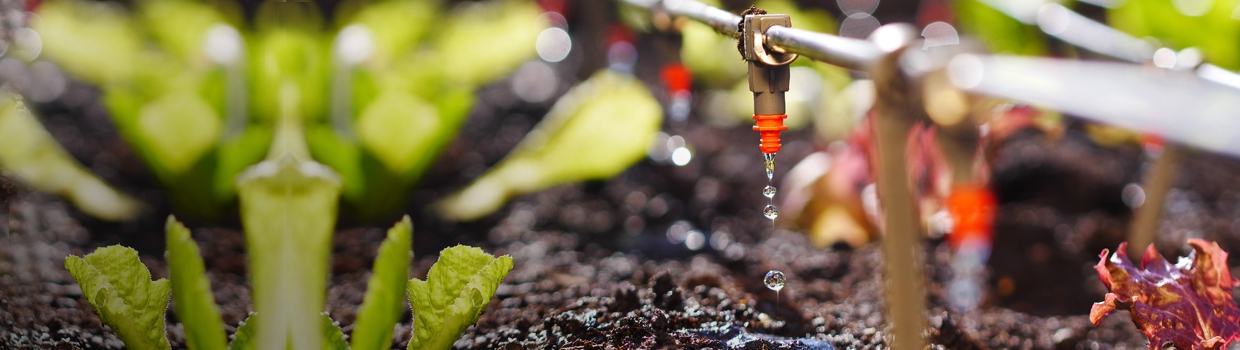
Discover our advanced drip irrigation supplies and systems, designed for maximum efficiency. Save water, reduce costs, and ensure precise watering to your plants' roots. Our systems are easy to set up, require minimal maintenance, and offer customizable options for all your gardening needs. Experience the difference with our top-quality parts and accessories, and join our eco-conscious community to make your watering practices more efficient and precise. Start your journey towards a more sustainable and thriving garden today! Check out our innovative systems and the range of supplies available. Optimize water usage and save money with our efficient solutions now!
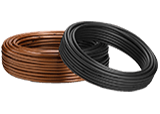
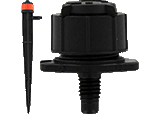
A drip irrigation system is a micro-irrigation system that uses a variety of drip emitters, drip valves, and dripline tubing to deliver water either at the surface of a plant or under the soil at the roots. The drip irrigation system will save water by reducing evaporation and highly targeted watering while reducing the incidence of mold.
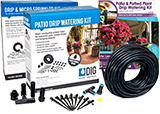
Drip irrigation kits are an easy solution to get up and running quickly with a simple drip irrigation system. These irrigation kits have everything you need to start precise watering in the most efficient way. Whether you want to water your garden automatically or run irrigation to your landscaping, a drip irrigation kit can be set up to make watering your plants easier. A typical drip watering kit will include pressure compensating (PC) drip emitters which will only release the proper amounts of water to the designated spots. It will also usually include micro tubing and a backflow preventer. Many drip irrigation kits are also now including tees to elevate the drip emitters. Expansion kits are available when you decide to extend the capabilities of your drip irrigation kit.
Sprinkler Warehouse keeps the shelves stocked with drip irrigation parts and equipment under the best brands in the business. Big-booming names like Hunter, Rain Bird, Toro, Weathermatic, and DIG are successful not by accident, but by offering convenience-driven, durable, tech-integrated products that stand the test of time.
While the initial investment for a drip irrigation system may be higher compared to standard irrigation methods like sprinklers, the long-term benefits are well worth becoming a convert. In addition to conserving dollars and hours, a lawn and garden drip system improves plant health, regulates weed growth, and provides extra flexibility for system expansion. Take full advantage of the drip method's time-and-money-saving advantages with one of our DIY-friendly Drip Irrigation Kits—they’re easy to install and come with everything you need to implement an efficient, long-lasting dripping system.
Whether you need help installing a drip system or tips for selecting the right drip irrigation equipment, Sprinkler Warehouse can supply you with the right know-how and can-do.
Find these answers and more at Sprinkler School!
This article explains the benefits of drip irrigation and how it works. Drip Irrigation – Any water...
This article explains drip tubing basics and drip irrigation system basics. Drip tubing for irrigation...
This article explains how to install an irrigation drip system to residential potted plants. How wonderful...
While shopping for emitters for your drip irrigation system, you will notice that some are labeled...
Drip irrigation saves water by delivering directly to the plant’s root zone, minimizing evaporation and runoff and allowing for precise control over water application. These water-saving features make drip irrigation a highly efficient and environmentally friendly irrigation method.
Dripline irrigation offers significant advantages, but it may require additional upfront investment compared to traditional irrigation systems. However, the long-term water and every savings, improved plant health, and reduced environmental impact make dripline irrigation an increasingly popular and sustainable choice for efficient water management in agriculture and landscaping.
Using a conversion or retrofit kit, you can easily utilize an existing shrub stick or sprinkler head to supply water to a small drip system.