Trust Guard Security Scanned
hours left for
same day shipping

hours left for
same day shipping

Loading...

Advantages of a Standard Manifold

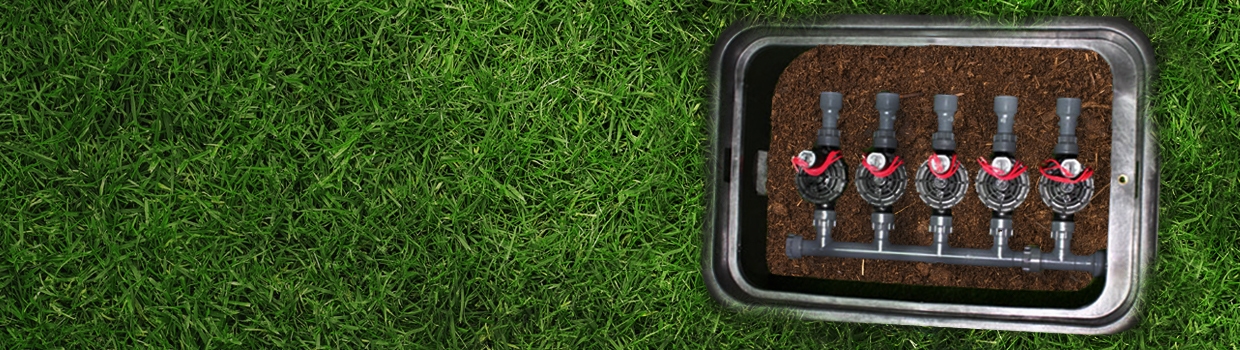
Using a valve manifold in irrigation systems offers several advantages that enhance the efficiency, organization, and maintenance of the irrigation setup. Here are some key benefits:


  • Simplified installation and organization of irrigation systems.
  • Independent control of zones for tailored watering.
  • Easier access for maintenance and repairs.
  • Reduced risk of leaks and damage through centralized management.


These advantages make it a valuable component for both residential and commercial irrigation setups, contributing to effective water management and healthier landscapes.


Standard Manifold Kit FAQs

How do you fix a leaking sprinkler manifold?

Fixing a leaking sprinkler manifold requires you to identify the source of the leak and repair or replace the damaged components. If the leak is coming from a fitting or threaded connection, use pliers or a pipe wrench to gently tighten the fitting. If the leak is coming from around the valve, the rubber seals might be worn out or damaged.

How many valves can a manifold have?

Sprinkler system manifolds can vary in size, typically ranging from 2 to 12 valves. Larger systems may use multiple manifolds to accommodate more zones. At Sprinkler Warehouse, you’ll mostly see manifolds compatible with 1, 2, 3, 4, or 5 different valves at the same time.

Should sprinkler manifold kits be installed above or below ground?

In some setups, manifolds may be installed above ground, but for most residential sprinkler systems, underground installation is the standard practice. Sprinkler manifold kits are typically installed inside a valve box to protect the valves and plumbing from physical damage and lawn equipment. A valve box also keeps the manifold accessible for maintenance or repairs while keeping it hidden in the landscape.

Can sprinkler manifold kits be used with drip irrigation zones?

Drip systems operate at a much lower pressure than standard sprinkler systems, so the manifold will need to connect to a pressure regulator and a filter to protect your emitters from debris. Many installers attach a drip zone valve on the manifold and then add a filter/regulator assembly downstream. This setup allows the manifold to control the zone while ensuring the drip tubing receives the correct pressure and clean water.

What materials are valve manifolds made from?

Some of the most common materials used for standard manifolds are PVC and metal. PVC is lightweight, cost-effective, and is often used in residential systems. Metal manifolds are durable and resistant to corrosion, and are more commonly used in commercial applications.