Trust Guard Security Scanned
hours left for
same day shipping

hours left for
same day shipping

Loading...

How Micro Bubblers Differ from Drip Emitters

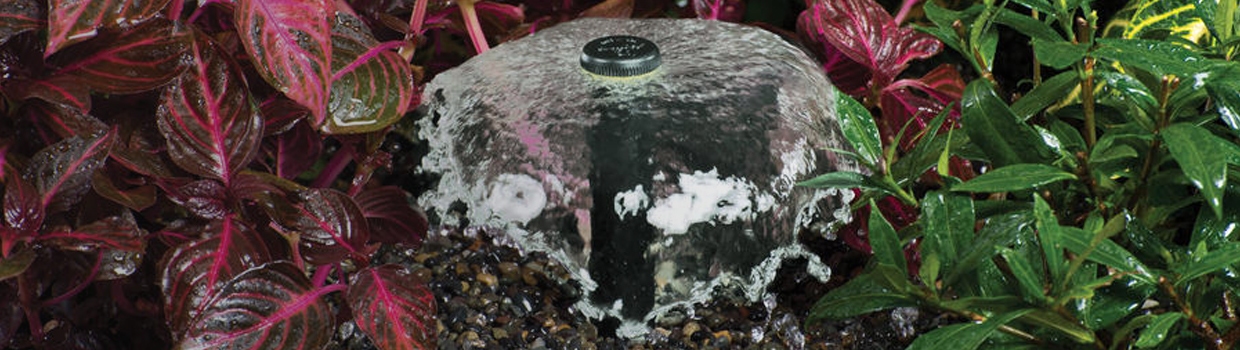
Both types of emitters are used as part of a low-pressure irrigation system, but they differ in their water delivery methods and applications. Use an irrigation bubbler in scenarios where plants require higher water volumes or a broader coverage area. Drip emitters are more ideal for sensitive plants or areas where water conservation is a priority. Bubblers usually have a larger coverage area, while drip emitters water a small, localized area, typically within a few inches.

Micro Bubbler Placement

Micro bubblers should be placed close enough to wet the plant’s root zone. For small shrubs and young plants, position the bubbler about 6 to 12 inches from the base. For larger shrubs or trees, place one or more bubblers near the outer portion of the root zone or beneath the canopy, rather than directly against the trunk. Spacing generally depends on each bubbler’s spray radius and the surrounding plant layout. Oftentimes, micro bubblers are placed about 2 to 4 feet apart, with a slight overlap in coverage to prevent dry spots.

Micro Bubbler FAQs

What are micro bubblers typically used for?

Micro bubbler irrigation works well in both small residential and larger commercial irrigation systems. A micro bubbler is ideal for deep-rooted trees and shrubs, as the system can provide sufficient water to penetrate deeper into the soil. They’re also useful in rows of crops or raised beds where targeted, higher-volume watering is needed.

Are micro bubblers water-efficient?

Yes, micro bubblers are water-efficient compared to traditional sprinklers. They deliver water directly to the root zones of plants in a controlled manner, which minimizes waste from runoff and evaporation. Many micro bubblers also allow you to adjust the flow, so you can tailor water delivery to match each plant's requirements.

What water pressure do micro bubblers need?

Most micro bubblers operate at around 15 to 30 PSI, although the exact requirement depends on the model. Many micro-irrigation systems use a pressure regulator to provide consistent output and protect small tubing and fittings. Excessive pressure can cause uneven watering, leaks, or fittings to disconnect, while low pressure may reduce the bubbler’s coverage. Always check the manufacturer’s flow and pressure specifications, especially when using adjustable bubblers or running several emitters on one zone.

What is the difference between full-circle and half-circle micro bubblers?

A full-circle micro bubbler distributes water in a 360-degree pattern, making it suitable for watering plants located in the center of a bed or around trees and shrubs. A half-circle bubbler sprays in a 180-degree pattern and is better for bed edges, borders, or areas near walls and walkways.

What size tubing is used with micro bubblers?

Micro bubblers can connect to ¼ inch distribution tubing, which branches off from larger poly irrigation tubing. The ¼ inch tubing carries water from the mainline to each bubbler, making it easy to place emitters near individual plants. Keep an eye out for micro bubblers that can also be installed directly into larger poly tubing using barbed fittings or adapters.

Do micro bubblers need a filter?

A filter is recommended for most micro bubblers due to their small openings. Internal passages can easily clog from dirt and other debris in the water supply. Most drip and micro-irrigation systems use a screen or disc filter installed near the system’s water source. Regularly cleaning the filter and flushing the tubing will also help maintain a consistent flow rate.

Are micro bubblers adjustable?

Many of the micro bubblers available at Sprinkler Warehouse are adjustable, allowing you to control their flow rate and, occasionally, their spray pattern. Make small adjustments while the system is running to better accommodate your plants.