Trust Guard Security Scanned
hours left for
same day shipping

hours left for
same day shipping

Loading...

How an Automatic Flush Valve Works

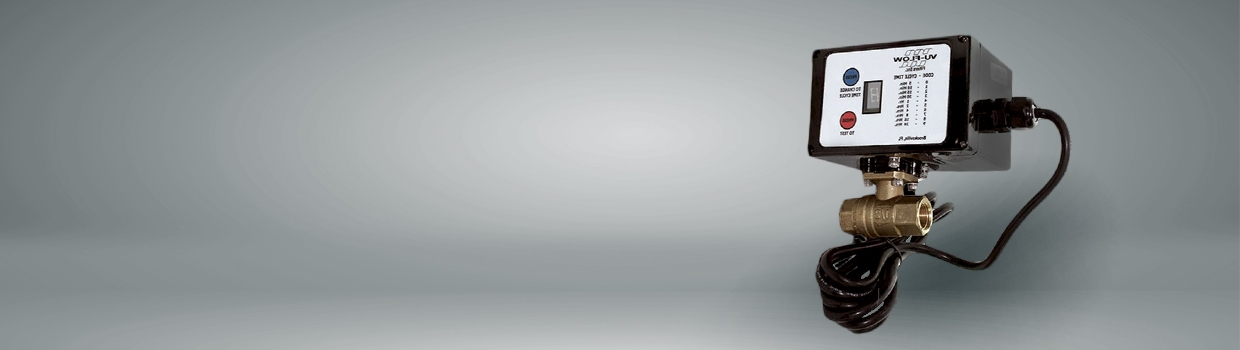
Installing an automatic flush valve is an easy way to release built-up sediment and debris from an irrigation line. A flush valve can complete this process by opening during operation, briefly allowing water to flow out of the valve along with the built-up sediment. This process usually occurs at the start-up of your sprinkler system or after a set amount of time. This provides a low-maintenance solution for systems using well water, pond water, or other sources prone to sediment buildup.

Self-Flushing Irrigation Filter FAQs

Where is an automatic flush valve installed?

An automatic flush valve is typically installed on the flush or drain port of an irrigation filter. This port is usually located at the bottom or side of the filter and is designed to allow accumulated debris to be flushed out. You’ll also find that these are usually installed at low points in the system, where debris tends to settle.

What are the benefits of using a self-flushing irrigation filter?

By automatically removing debris and sediment from the system, automatic flush valves help to prevent clogs and maintain optimal water flow. They help extend the life of emitters, valves, and other irrigation components by preventing buildup that can cause damage. On top of that, irrigation flush valves promote more consistent pressure and water distribution, which leads to healthier plants and more efficient water usage.

How often does an irrigation flush valve activate?

A self flushing irrigation filter typically opens itself up any time that it senses a drop in water pressure. This usually means that they activate at the start and end of each sprinkler cycle. There are also some irrigation flush valves that open based on a timer, and others that need to be opened manually.