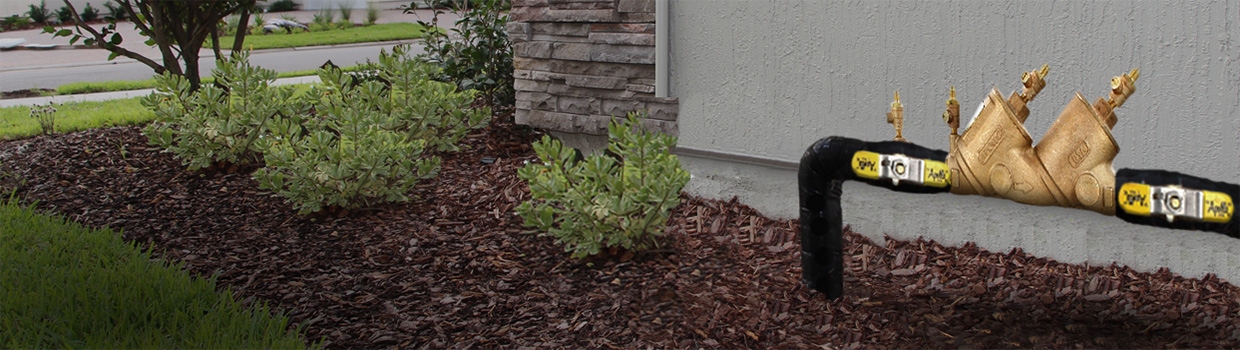
Double Check Assemblies (DCA) are the most commonly approved type of device for inline underground sprinkler systems and a smart choice for interior or underground installations. Double check valve assemblies for backflow preventers are less susceptible to frost damage because they are usually installed below ground or in a basement making sprinkler system winterization much simpler. Order your double check backflow preventer from Sprinkler Warehouse today to protect your water supply.
Please re-enter quantity based on the required multiple
You are attempting to add items with a quantity which is not a multiple of the item's purchase quantity
Item # {partNumber} is sold in multiples of {minpackQty} {uom}
The quantity will be rounded up to {currQty} {uom} in your cart.
Do you want to proceed?
DCA Applications in Irrigation Systems
DCAs are suitable for systems with lower risk, where contaminants pose a nuisance risk rather than a serious health hazard. You’ll often find double check valves around lawn sprinklers without chemical injectors and basic irrigation systems without fertilizers or pesticides. Double check assemblies are a great choice for residential and commercial settings because they are less expensive than higher-grade backflow preventers like RPZ assemblies.
Double Check Assembly FAQs
Is a DCA required for all irrigation systems?
Not always. Some irrigation systems may only require simpler backflow preventers, like pressure vacuum breakers (PVBs), depending on local codes. A DCA is required when the system poses a risk of backpressure or backsiphonage but does not involve hazardous chemicals.
What factors should I consider when selecting a double check assembly?
First, consider your system’s water pressure capacity. Ensure the DCA is rated for your irrigation system's pressure levels, or it may fail. Next, match the DCA size to your system's pipe diameter. Finally, verify the device meets local codes and regulations.
Can a DCA be installed underground?
A double check assembly can be installed underground, but it must be placed in a valve box that allows access for maintenance. Many local plumbing codes allow underground installation for DCAs because they do not have a relief valve that discharges water like some other backflow preventers. Nevertheless, always take note of your local codes and regulations, as installation requirements can vary.
What is the difference between a DCA and an RPZ?
The main difference between a DCA and a Reduced Pressure Zone (RPZ) device is the level of backflow protection they provide. A DCA uses two check valves to prevent backflow and is designed for low to moderate hazard situations. An RPZ has two check valves plus a relief valve that releases water if pressure drops, providing higher protection for high-hazard systems.
Are DCA backflow preventers suitable for high-risk systems?
DCAs cannot provide the same level of protection as RPZ assemblies in situations involving health hazards, such as chemical injection in irrigation systems. Unlike an RPZ, a DCA does not have a relief valve to release potentially contaminated water.
Sign Up For Specials & Exclusive Discounts
Delivered directly to your inbox.
By inputting your email you agree to receive recurring promotional marketing emails from Sprinkler Warehouse.