Trust Guard Security Scanned
hours left for
same day shipping

hours left for
same day shipping

Loading...

When to Use All-Purpose Fertilizer

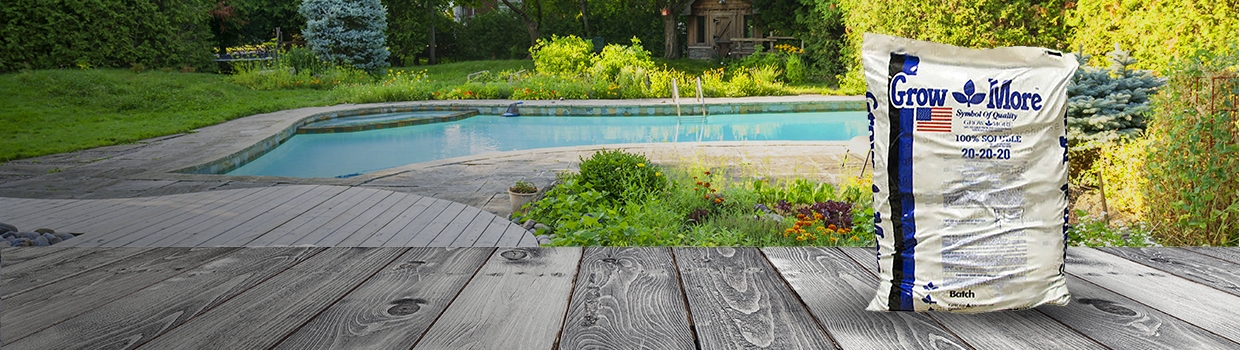
All-purpose fertilizer is best used when you want a simple, general solution for a variety of plants. If your garden has multiple plant types (flowers, veggies, shrubs) and you don’t want to buy specialized fertilizers for each, an all-purpose fertilizer will accommodate all of them. All-purpose fertilizers typically have a balanced N-P-K ratio (nitrogen, phosphorus, and potassium), which is good for strong root development, healthy leaf growth, and increased resistance to disease. You can also rely on this type of fertilizer when you don’t know the specific nutrient needs of your plants, but want to promote overall healthy growth.

All-Purpose Fertilizer FAQs

Is all-purpose fertilizer safe for all plants?

All-purpose fertilizer is generally safe for most plants, with a few exceptions. Most vegetables, flowers, shrubs, and houseplants can use all-purpose fertilizer, but acid-loving plants, like azaleas and blueberries, may need fertilizer formulated for a lower pH. For plants showing specific deficiencies, a targeted fertilizer might correct issues faster.

How do I apply all-purpose fertilizer?

For granular all-purpose fertilizer, sprinkle it evenly around the base of the plant, avoiding direct contact with stems or trunks. Then you can lightly work it into the top inch of soil with a rake or hand tool. After that, just water the area thoroughly to activate the nutrients and prevent root burn.

When should I use all-purpose fertilizer?

The best time of year to apply all-purpose fertilizer depends on the growth cycle of your plants. Spring is usually the best time for most plants to receive their first dose of fertilizer. After that, mid-season applications every 4–6 weeks help support continued growth. Avoid fertilizing during winter, as plants are not actively growing and won't absorb nutrients efficiently.