Trust Guard Security Scanned
hours left for
same day shipping

hours left for
same day shipping

Loading...

Types of PVC Elbows

There are several types of PVC elbows used in irrigation systems, and the best choice depends on your pipe size, layout, pressure needs, and connection type.


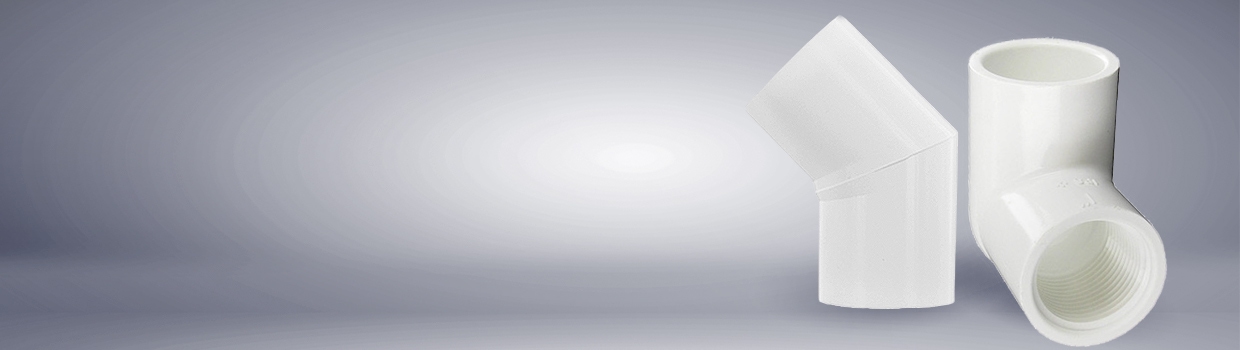
  • PVC 90° ELBOWS - These irrigation elbows are designed for sharp 90-degree turns in your pipe layout.
  • PVC 45° ELBOWS - These elbows are used when a softer angle is needed, often to reduce flow resistance or help with routing.
  • REDUCER ELBOWS - Change your pipe’s direction and size with one fitting. Use these to adjust to a smaller pipe size mid-run.
  • COMBINATION ELBOWS - Combine a change in direction with a change in pipe connection type (threaded and non).


At Sprinkler Warehouse, we have irrigation elbows of each type, with several sizes to choose from.

PVC Elbow FAQs

How long does a PVC elbow last?

A PVC elbow can last for 20 years or more in most residential irrigation settings. Proper installation with primer and PVC cement is necessary to ensure the connection lasts. If the pipe and elbow are buried underground and protected from UV light, they’ll likely last even longer.

How do you connect a PVC elbow?

Connecting a PVC elbow depends on whether the elbow is a slip type or threaded. To connect slip elbows, apply PVC cement to both the outside of the pipe and the inside of the elbow socket, then join the pieces. To connect threaded elbows, wrap the male threads with Teflon tape then screw the elbow onto the pipe by hand.

Do PVC elbows require primer and cement?

PVC elbows typically do require both primer and PVC cement to create a proper solvent-welded connection. The primer cleans and softens the PVC surface, while the cement chemically fuses the pipe and fitting together, forming a strong, leak-resistant joint. This process is especially important for high-pressure irrigation lines.

What sizes do PVC elbow fittings come in?

Angles aside, standard PVC elbow sizes typically range from ½ inch to 4 inches for most residential irrigation applications. Larger elbows, such as 3" or 4", are often used in commercial irrigation or drainage systems. Always choose an elbow that matches the same nominal pipe size as your PVC pipe to ensure a proper solvent-weld connection with primer and PVC cement.

How do you fix a leaky PVC elbow joint?

In most cases, leaks mean the joint wasn’t glued properly or the threads weren’t sealed well. If it’s a slip connection, you’ll likely need to cut out and replace the elbow if it’s leaking at the glued joint. If it’s a threaded elbow, you may be able to unscrew and reseal it without cutting the pipe.