Trust Guard Security Scanned
hours left for
same day shipping

hours left for
same day shipping

Loading...

Installing an Inline Sprinkler Valve

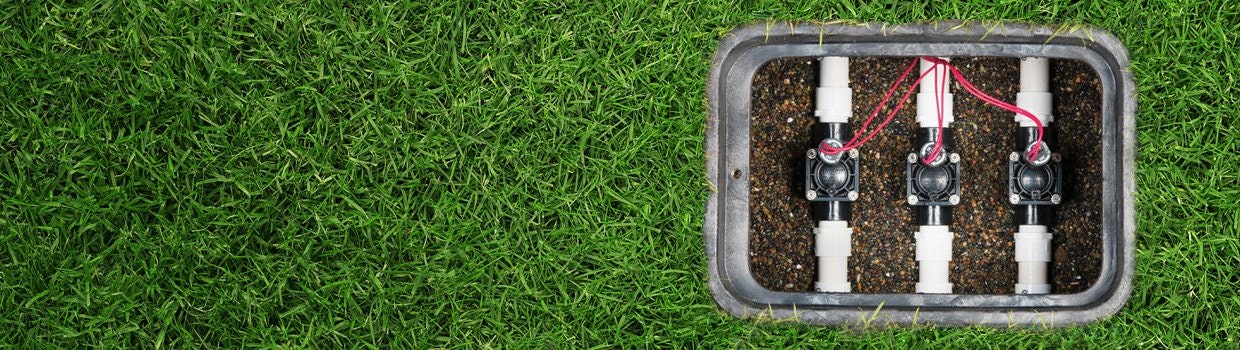
To install an inline sprinkler valve, start by shutting off the water supply and relieving pressure in the line. Next, dig a hole to expose the pipe where the valve will go. Cut out a section of pipe matching the valve’s length and attach the valve using appropriate fittings. Double-check to ensure the flow direction arrow points correctly. Connect the valve’s solenoid wires to the controller wire and common wire using waterproof connectors. Once this is all complete, place the valve in a valve box and backfill the hole.

Inline Sprinkler Valves FAQs

Can inline sprinkler valves be installed vertically?

Inline sprinkler valves can be installed vertically. However, it’s important to ensure that the valve and the system are designed to handle this orientation. Check the manufacturer's instructions for any specific guidelines or restrictions regarding vertical installation to ensure optimal performance and longevity of the valve and the irrigation system in general.

Can I install an inline sprinkler valve underground?

Inline sprinkler valves can be installed either above ground or below ground. For underground installation, the valve should be housed in a valve box to protect it from moisture and dirt while still allowing easy access for maintenance or repairs. You’ll have less access to the valve after installation, so make sure that all connections are secure.

Where should I place an inline valve box in my yard?

Place the valve box in an accessible location that is slightly elevated to avoid waterlogging, ensuring easy maintenance and inspection. It's best to position it near the main water supply line but away from heavy foot traffic areas to prevent damage.

Can inline valves be integrated with smart irrigation systems?

Yes, many inline valves can be controlled by smart irrigation controllers, allowing for automated and efficient watering schedules. These systems enable remote operation and monitoring through integrated controllers and mobile apps, providing greater flexibility and water efficiency.

What are the advantages of using inline valves over other valve types?

Inline valves offer compact installation, are typically more durable, and provide precise water flow control, making them ideal for underground irrigation system setups. Their design minimizes the risk of leaks and damage, and they require less space.

How do you wire an inline sprinkler valve?

Each valve has two wires: one connects to a common wire shared across all valves, and the other connects to a specific zone terminal on the controller. Use waterproof wire connectors to make these connections. Once connected, the controller sends a signal to open and close the valve based on your programmed watering schedule.

How do I know if my inline valve needs replacement?

Signs that an inline valve needs replacement include water leaks, inconsistent water flow, failure to open or close, and visible damage or wear on the valve body. Regular inspections and maintenance can help identify these issues early, ensuring your irrigation system operates efficiently.