Trust Guard Security Scanned
hours left for
same day shipping

hours left for
same day shipping

Loading...

Why Choose a Pressure Regulating Drip Filter

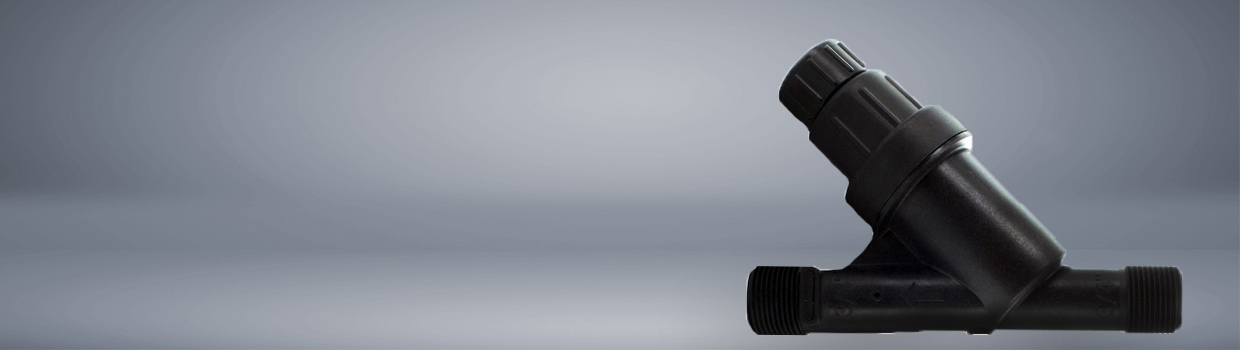
In drip irrigation systems, a pressure regulator is necessary to control water pressure so it doesn’t get too high for the tubing or emitters. If the pressure is too strong, it can cause leaks, broken parts, or uneven watering. Drip irrigation pressure regulators keep the water pressure at the right level for the plants. Drip filters and screens are used to keep dirt and debris out of irrigation systems. Pressure-regulating drip filters assist with both vital processes. Pressure-regulating drip filters are available in multiple pressure ratings (such as 25 or 30 PSI) and various mesh grades (measured in microns) to match system flow needs and water quality. Choosing the right combination helps ensure water flows evenly while keeping out particles that could clog emitters.

Pressure Regulating Drip Filters FAQs

How do you reduce water for drip irrigation?

No one wants overwatering or malfunctioning systems, so learning how to reduce water pressure for drip irrigation is essential. A drip system pressure regulator is the most effective way to lower high water pressure to the safe range needed for drip components, typically between 15 and 30 PSI. Pressure-regulating filters from trusted brands like Rain Bird and DIG combine pressure control with filtration for added convenience.

Where is a drip pressure regulator installed?

To determine where to install a pressure regulator for drip irrigation, the first thing to recognize is the start of the drip zone, the area where the drip tubing connects to the main water line or sprinkler system. These regulators are installed at this transition point to protect tubing and emitters from damage caused by excess pressure. Installing a pressure reducer for drip irrigation helps prevent leaks, blown fittings, and uneven water flow throughout the system. Learn more about installing pressure regulators in our drip pressure regulator irrigation guide.

Does a pressure regulator go before or after a filter?

In most drip irrigation setups, the filter is placed before the pressure regulator to catch debris that could affect how the regulator works. This order helps extend the life of both components and keeps water flowing smoothly. A pressure-regulating filter performs the functions of both a filter and pressure regulator, all within one unit. This type of setup is common in compact residential systems and commercial drip zones where space is limited or installation needs to be simple. Many available models include mesh filter options and standard pressure ratings like 25 or 30 PSI to fit typical system requirements.