Trust Guard Security Scanned
hours left for
same day shipping

hours left for
same day shipping

Loading...

Key Functions of Irrigation Flow Sensors

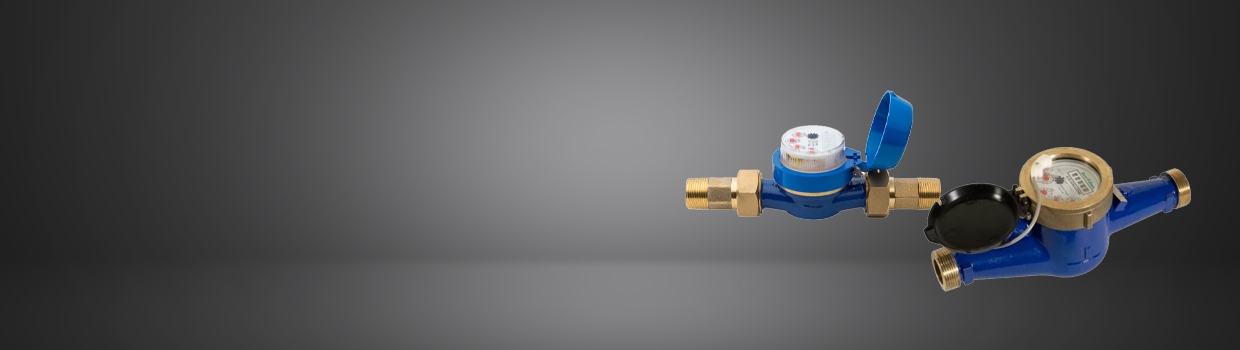
An irrigation flow meter measures how much water is passing through the system in real time, and provides several key insights to users:


  • MEASURE WATER FLOW - Flow sensors track the volume and rate of water flow allowing you to better understand how much water each zone or section of your irrigation system is using.
  • DETECT LEAKS - Flow sensors can detect abnormal flow rates, such as sudden spikes that indicate leaks, breaks, or stuck valves.
  • HIGH & LOW FLOW ALERTS - If the flow rate is unusually high or low, the system can trigger alerts for quick troubleshooting.
  • ZONE WATER USE REPORTING - If you have a larger sprinkler system with multiple watering zones, a sprinkler flow sensor will keep track of which sections are using more or less water than others.


Flow Sensor FAQs

What are the benefits of using a flow sensor?

Flow sensors for irrigation systems help save money by preventing overwatering and reducing overall water consumption. Since they can also quickly detect unusual flow patterns, they’re also great for their ability to help combat leaks. The upfront investment in a flow sensor often pays off over time through reduced water costs, especially in large or commercial irrigation systems.

How does a flow sensor detect leaks?

Flow sensors detect leaks by monitoring flow rate. If the flow rate is significantly higher than expected (for instance, due to a broken pipe), the sensor sends an alert to the irrigation controller. Some systems are programmed to shut off water to affected zones when leaks are detected.

Where should a flow sensor be installed in an irrigation system?

A flow sensor is typically installed on the main irrigation supply line, after the master valve or backflow preventer and before the zone valves. This placement allows the sensor to measure the total water flow going into the irrigation system. For accurate readings, the sensor should also be installed on a straight section of pipe.

What is the difference between a flow meter and a flow sensor?

A flow meter measures the exact volume of water passing through a pipe, often displaying readings in gallons per minute (GPM) or total gallons used. These are commonly used for water usage monitoring and reporting. A flow sensor, on the other hand, is typically connected to an irrigation controller. It sends flow data to the controller so it can detect leaks or abnormal flow and automatically shut down the system if needed.

Are flow sensors suitable for all types of irrigation systems?

Flow sensors are suitable for most irrigation systems, including residential, commercial, and agricultural setups. However, certain types of irrigation systems, such as low-flow drip systems , may require different types of sensors to ensure accurate measurement.