Trust Guard Security Scanned
hours left for
same day shipping

hours left for
same day shipping

Loading...

Why Are Pressure Gauges Important?

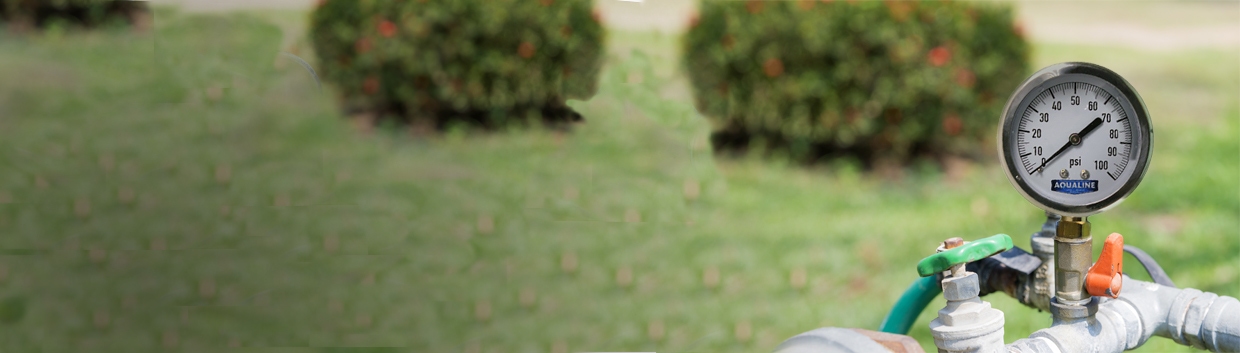
Sprinkler system pressure gauges are invaluable tools for maintaining a healthy and efficient irrigation system. By ensuring proper water pressure, they help achieve uniform coverage and extend the life of the system components. In addition to preventing overwatering and underwatering, an irrigation pressure gauge also helps protect your system components like pipes, valves, and sprinklers from pressure damage. Save water and energy by installing a water pressure meter today.

Reading a Pressure Gauge

Reading a pressure gauge is an important skill for maintaining an irrigation system. Most gauges display pressure in pounds per square inch (PSI), with a needle indicating the current level. To read it, pay attention to the needle and note the number it points to on the dial while the system is running. This value represents the water pressure at that specific point in the system. It’s important to compare this reading to the recommended pressure range for your irrigation components. If the pressure is too high, your system can experience misting. If the pressure is too low, it can lead to poor coverage.

Choosing the Right Gauge

Choosing the right pressure gauge will help ensure accurate readings for your system. Start by selecting a gauge with an appropriate pressure range for residential systems. You won’t usually need to monitor more than 100 PSI. The connection type is also important. Hose-thread gauges are convenient for quick testing, while inline gauges are a more permanent solution. Accuracy and readability matter, so choose a gauge that you can understand. Some of our most popular water pressure meters are from Aqualine and Hunter, which are both respected names in irrigation.

Pressure Gauge FAQs

Where is a pressure gauge installed in a sprinkler system?

Depending on the type of gauge, they can be installed at the water source, within the irrigation piping, or on the pumps to monitor pressure output from your water pumps.

What is the ideal pressure range for sprinklers?

The ideal pressure varies depending on the type of sprinklers you have installed. Fixed spray heads will usually only need 20–30 PSI, rotor sprinklers will require 30–50 PSI, and drip irrigation systems will only need 10–30 PSI. When in doubt, check the manufacturer guidelines for specific pressure recommendations.

Are pressure gauges required for irrigation systems?

No, but a gauge helps you monitor water pressure at key points, making it easier to diagnose high pressure and leaks. They’re especially useful when installing pressure-reducing valves or drip systems, where accurate pressure is critical. Adding a gauge can ultimately save time and improve the system’s overall performance.

Can a pressure gauge help detect leaks or blockages?

Yes. A sudden drop in pressure may indicate a break or leak of some sort, while unusually high pressure can signal a blockage or closed valve restricting flow. By comparing pressure readings at different points, you can quickly pinpoint problem areas and troubleshoot more efficiently.

What should I do if the pressure gauge shows high or low pressure?

If the pressure is too high, consider installing a pressure regulator to reduce the pressure. You can also shop for pressure-reducing sprinkler heads or valves. If the pressure is too low, start by checking for leaks, clogs, or blockages in the pipes or valves. If necessary, also ensure the pump is functioning correctly. When there are no signs of damage or blockage, consider adding a booster pump to increase pressure.