Trust Guard Security Scanned
hours left for
same day shipping

hours left for
same day shipping

Loading...

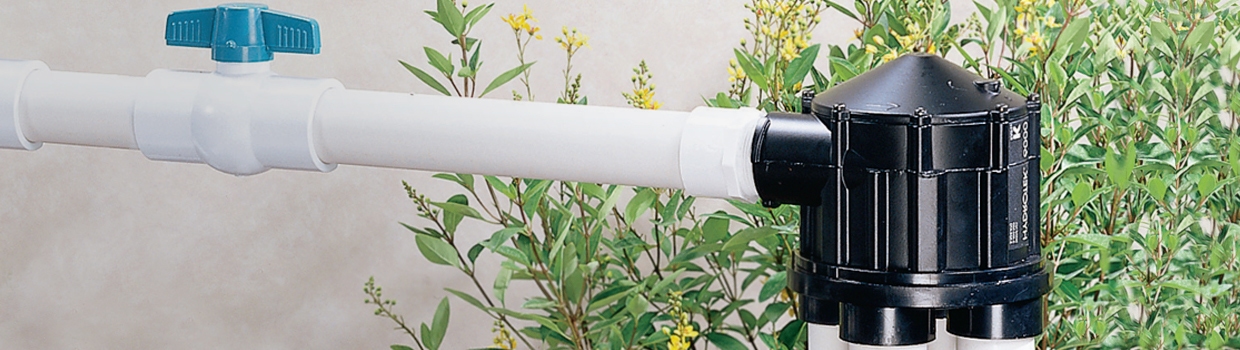
How an Indexing Valve Works

An indexing valve lets one water line control several sprinkler zones, one at a time. When you turn the water on, it flows into the valve and goes to the first zone. Inside the valve, a small mechanical disc rotates each time the water is turned on or off, moving the flow to the next zone for the next watering cycle. This way, you don’t need multiple valves or complicated wiring. It’s ideal for homeowners or landscapers who want a simple, low-maintenance way to water several areas sequentially.

Indexing Valve FAQs

Are indexing valves compatible with drip irrigation?

Indexing valves can work with drip irrigation, but you may need to adjust the flow or use pressure regulators. Sprinkler indexing valves are usually best suited for systems with consistent water pressure. Some indexing valves have a minimum water flow of 10 GPM to function correctly, so very low-flow drip lines may not trigger proper indexing. It’s important to ensure the system provides enough pressure and volume for reliable operation.

How many zones can an indexing valve control?

Most indexing valves can control anywhere from 2 to 6 zones. At Sprinkler Warehouse, most of our inventory is designed for 4 or 6 valves, but if you have fewer, most will still work just fine. For some models, you may need to replace the internal cam and close off the unused outlets. Other models allow you to skip unused outlets of the valve for customized setups.

Can I use an indexing valve with a standard sprinkler timer?

If you have a modern sprinkler timer with dedicated outputs for each zone, you do not need an indexing valve. You can use an indexing valve with an older sprinkler timer, but you must use the timer to control a single electric valve or a pump. It’s ideal for homeowners or landscapers who want to manage several zones without installing multiple solenoids or complex wiring, simplifying system setup and reducing costs.