Trust Guard Security Scanned
hours left for
same day shipping
hours left for
same day shipping
Loading...

Where to Install a Febco PVB

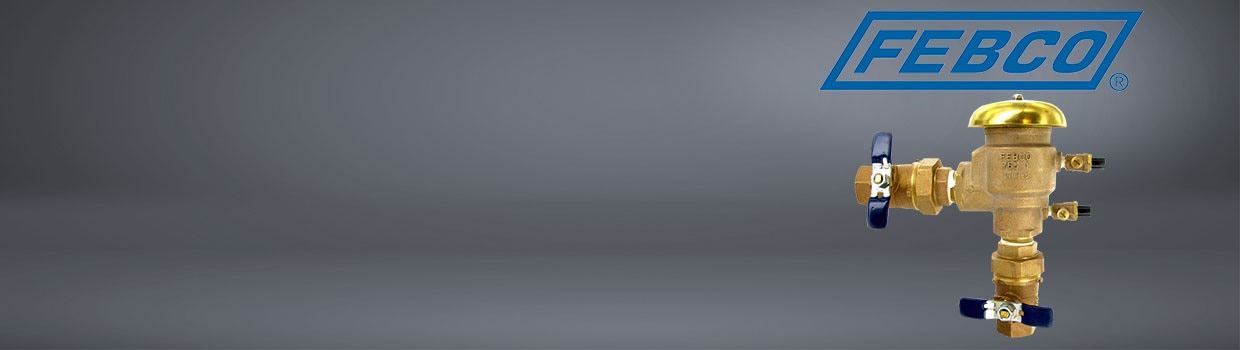
A Febco Pressure Vacuum Breaker should be installed on the discharge side of the last shutoff valve in an irrigation or non-potable water system. One key note is that it must be installed at least 12 inches above the highest downstream outlet or sprinkler head to function properly. The device should also be positioned in a vertical orientation with adequate space for testing and repairs. PVBs are typically installed outdoors in accessible locations and should not be placed in areas prone to flooding, as standing water can damage the assembly and create unsafe conditions.

Febco Pressure Vacuum Breaker FAQs

Why is a pressure vacuum breaker important for an irrigation system?

A Febco pressure vacuum breaker helps protect your drinking water from contamination. If water pressure drops unexpectedly, fertilizers, pesticides, or dirty irrigation water can siphon backward into the main water supply. A PVB prevents this by allowing air into the line and stopping reverse flow.

How do I choose the correct Febco pressure vacuum breaker size?

To choose the correct Febco PVB, match the valve size to your irrigation system’s mainline pipe size and expected water flow rate. Common residential systems use 3/4-inch or 1-inch PVBs, while larger commercial systems may require 1 ¼-inch or larger models. You should also verify the device meets your system’s pressure and local plumbing code requirements.

What causes a pressure vacuum breaker to fail?

Over time, internal components like the poppet, spring, bonnet, or check valve seals can wear out and cause leaking or improper backflow protection. Freezing is one of the most common causes of damage if the device is not winterized properly. Dirt or sand inside the valve can also prevent it from sealing correctly.