Trust Guard Security Scanned
hours left for
same day shipping
hours left for
same day shipping
Loading...

What to Connect with PVC Lock Fittings

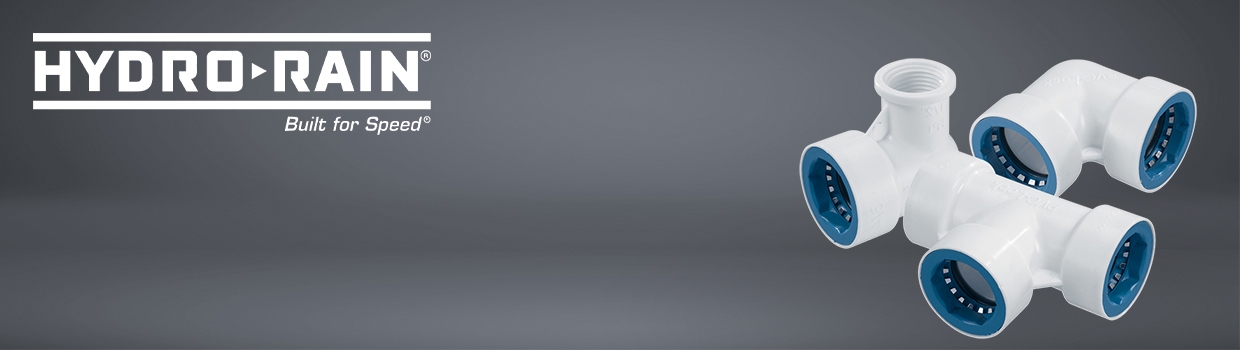
PVC-Lock fittings are made to connect with just about any PVC pipe used in sprinkler and irrigation systems. They are commonly used with Schedule 40 PVC or other approved PVC irrigation pipe, depending on the size of the fitting. In an irrigation system, PVC-Lock fittings can connect main lines, lateral lines, sprinkler heads, valves, manifolds, couplings, elbows, tees, and repair sections. They are especially helpful for quick repairs where you need to connect two pieces of pipe without glue or clamps. Always confirm the pipe type, outside diameter, and pressure rating before installing PVC-Lock fittings.

Hydro-Rain PVC Lock Fitting FAQs

Do PVC-Lock fittings require glue or clamps?

No. Hydro-Rain PVC-Lock fittings use a push-fit design that locks onto compatible PVC pipe, creating a watertight connection. Their non-invasive connection method also allows for easy adjustments further down the line. This added simplicity also allows you to install pipes quickly while reducing downtime.

Can Hydro-Rain PVC-Lock fittings be installed underground?

Yes, these fittings can be installed underground. They’re a great choice for buried sprinkler repairs because they do not require glue, primer, or clamps. Plus, since there’s no glue involved, you can pressurize the line immediately after burial. They can also handle the natural shifting of the ground slightly better than rigid, glued joints, which can sometimes crack under extreme soil stress.

How do I remove a PVC-Lock fitting?

The best way to remove a PVC-Lock fitting is to use a PVC-Lock release tool. Slide the release tool over the pipe and press it into the fitting to disengage the internal locking teeth, then pull the pipe and fitting apart. Before removing the fitting, turn off the water and relieve pressure from the line. Avoid twisting or forcing the fitting off, as this can damage the pipe or fitting. Once removed, inspect the pipe end before reusing it.